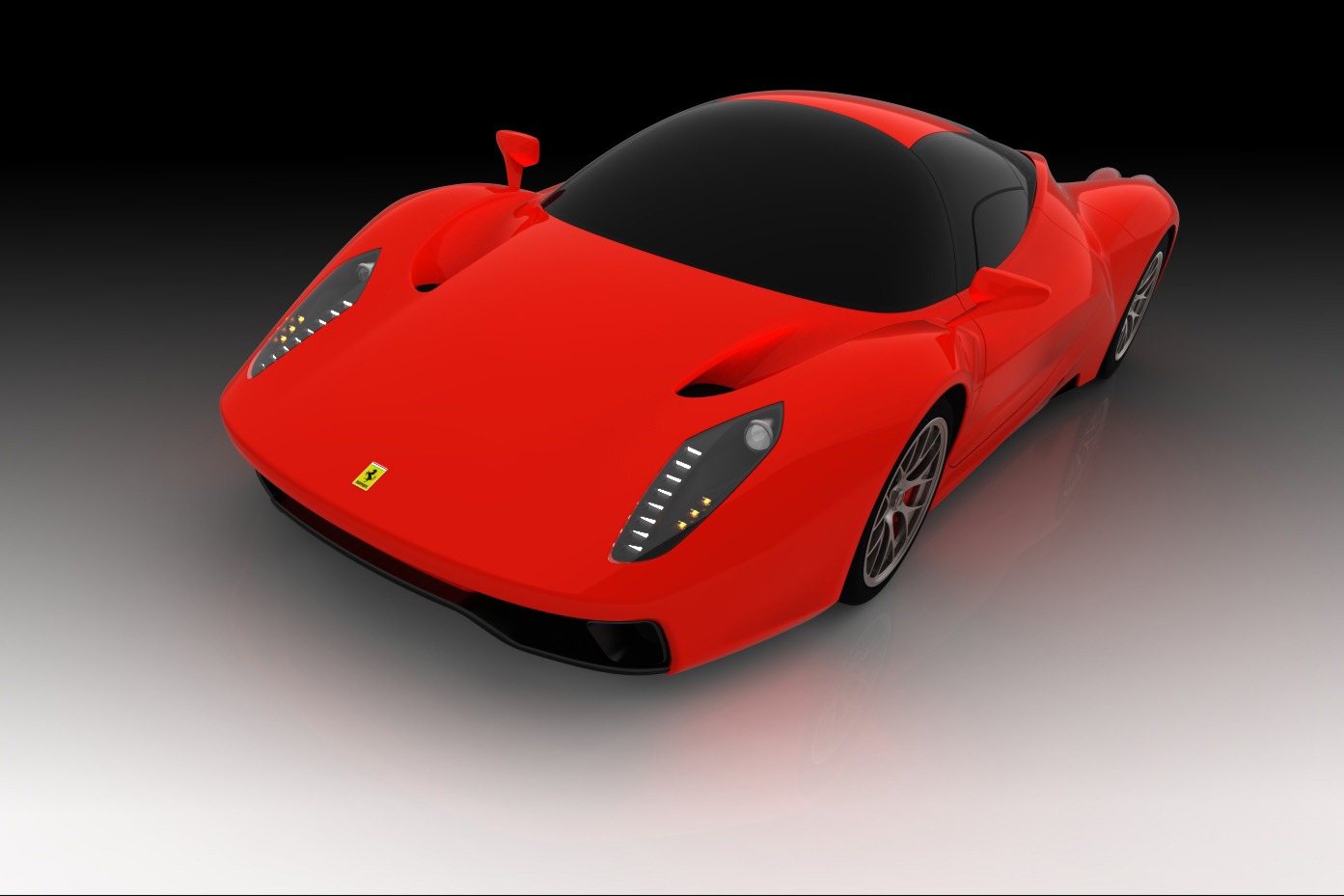
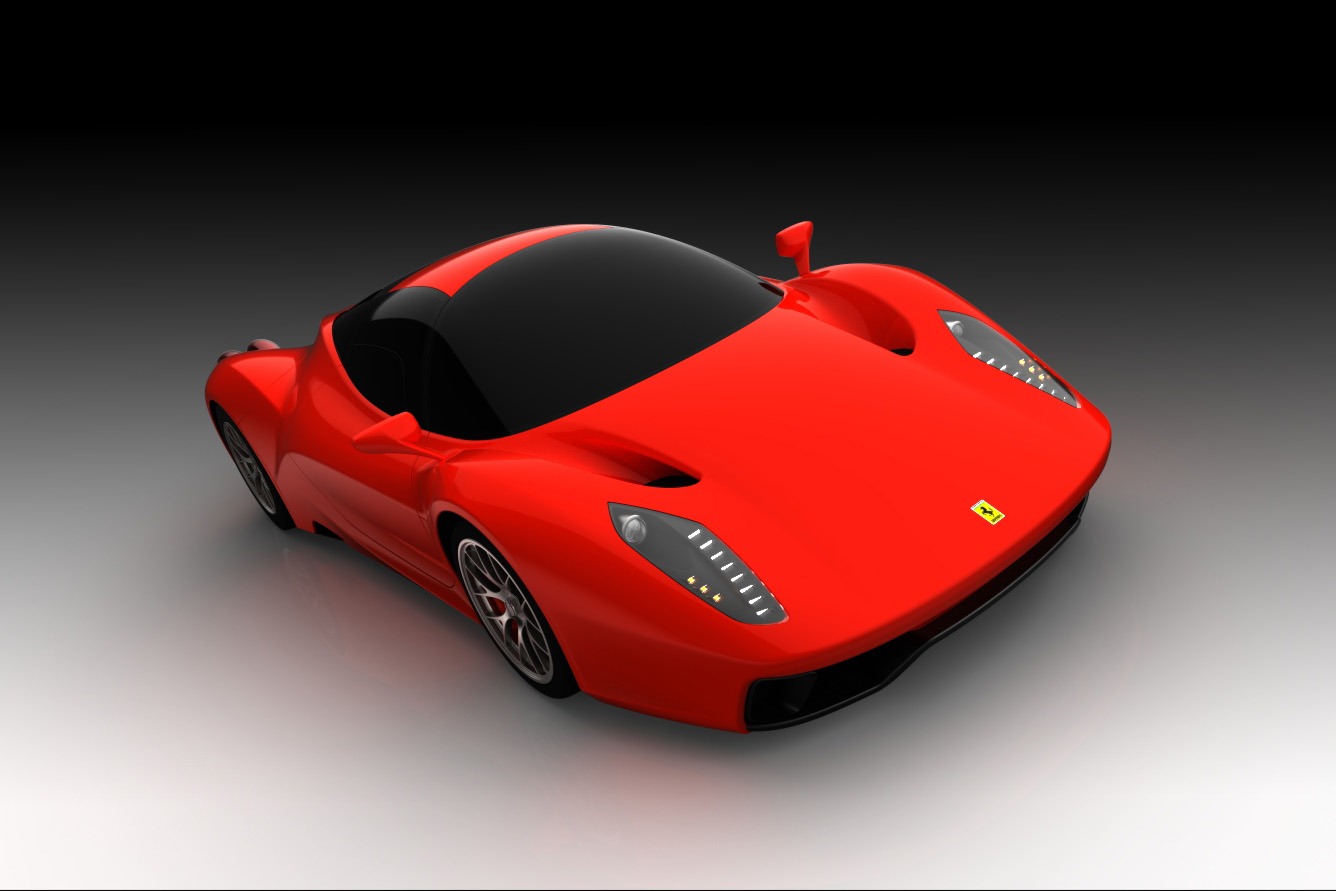
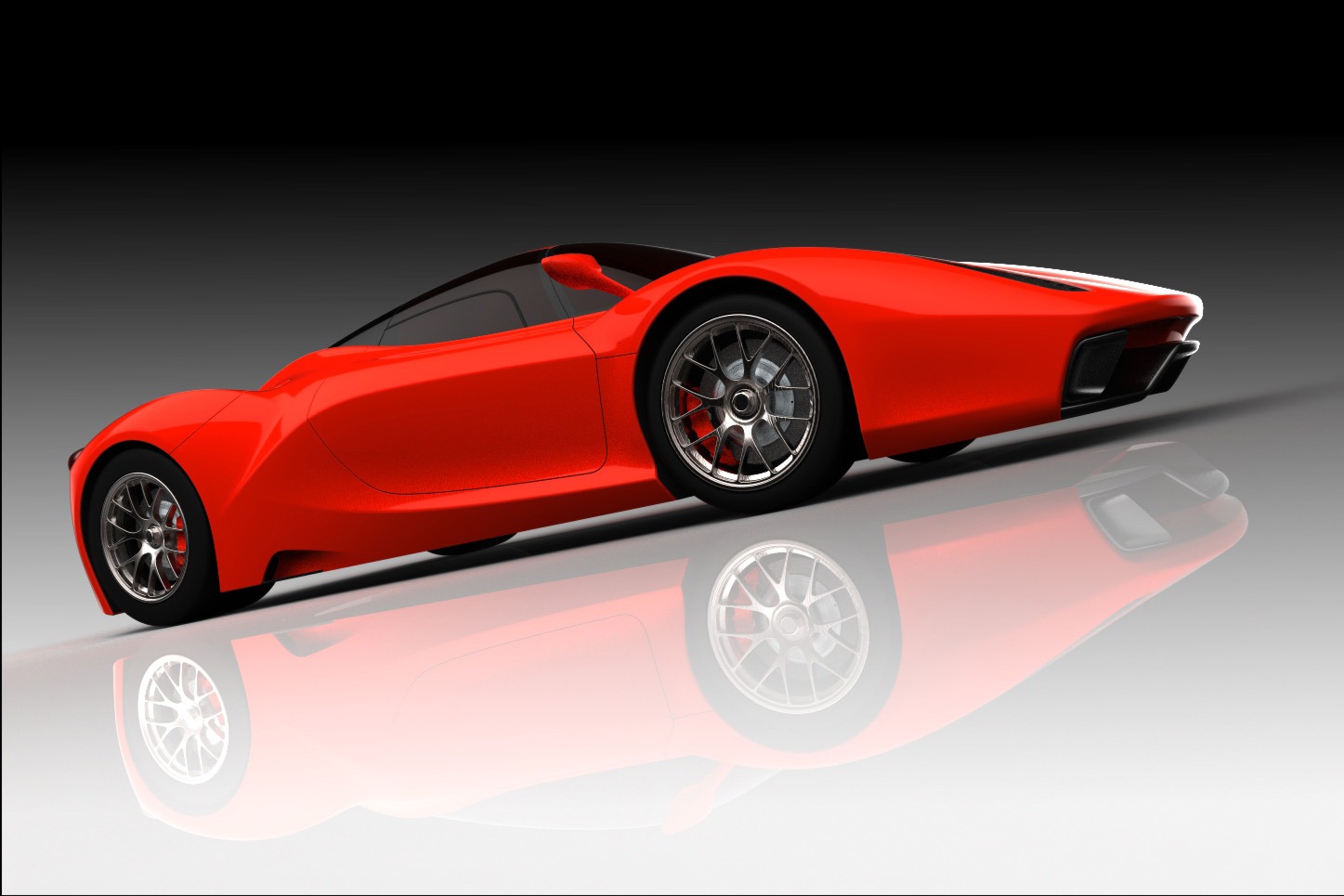
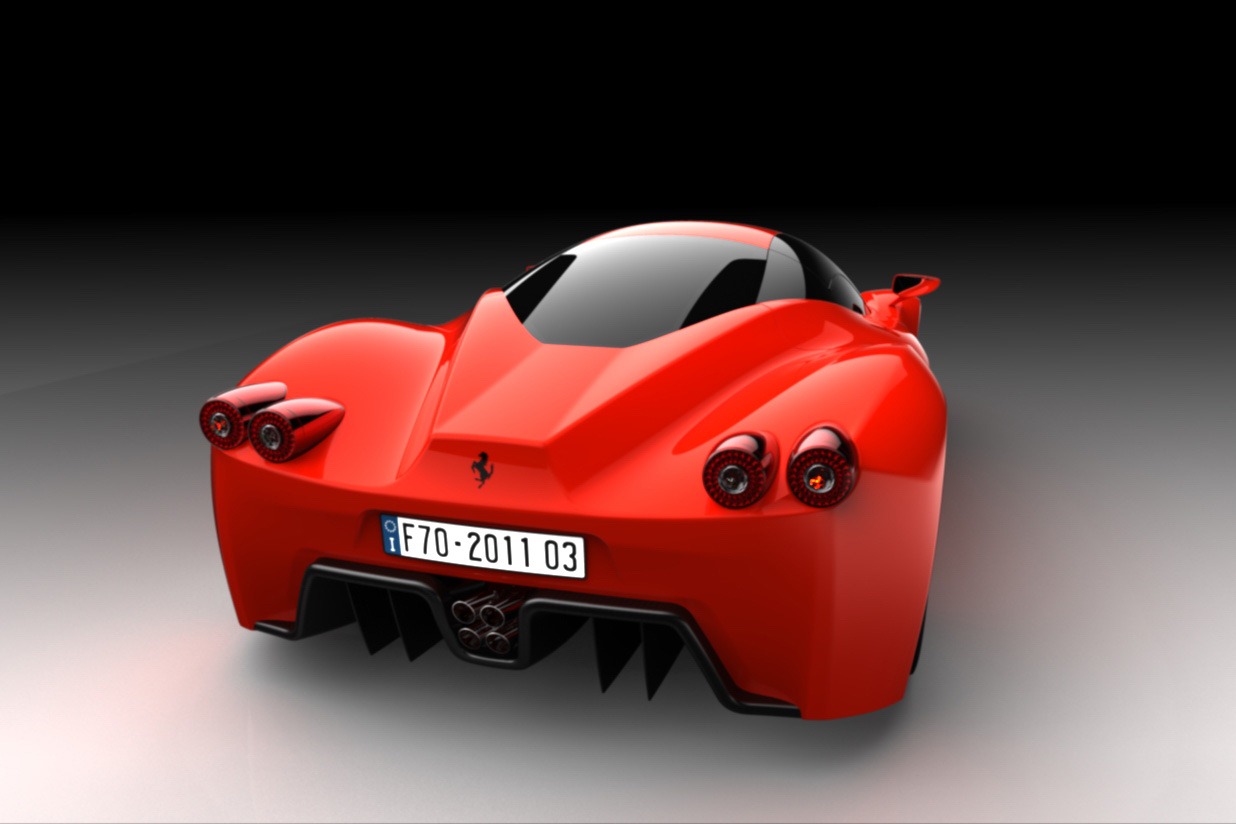
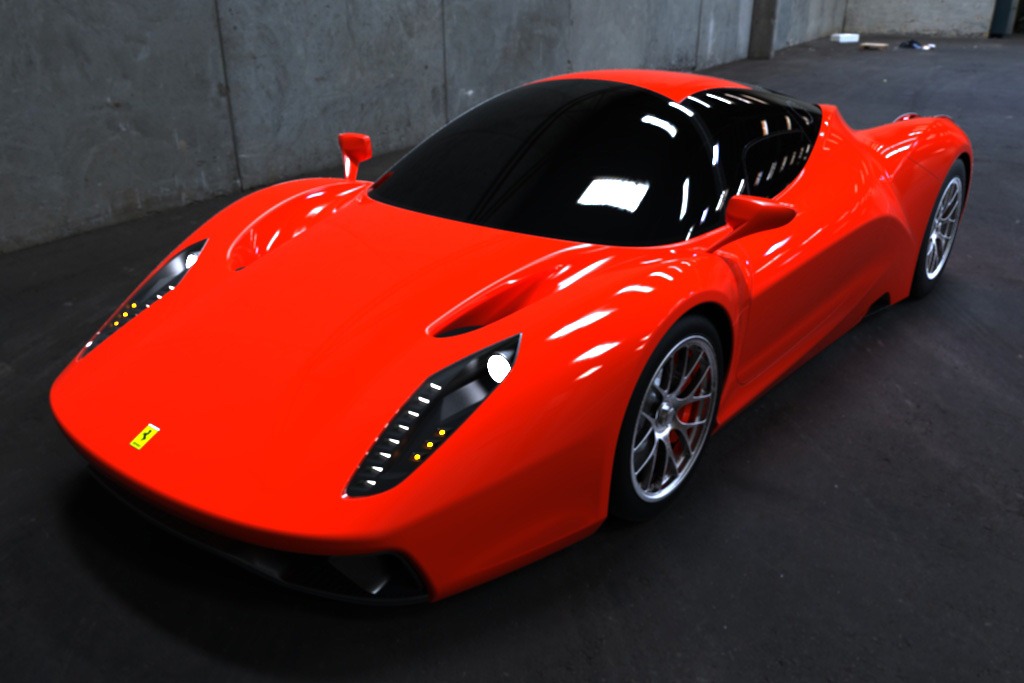
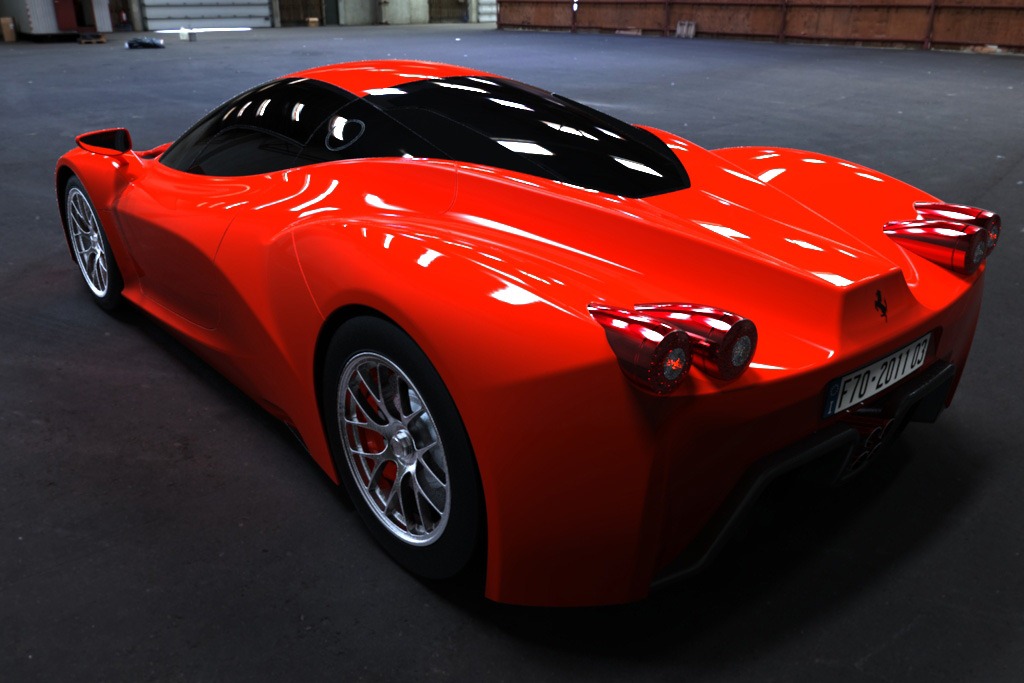
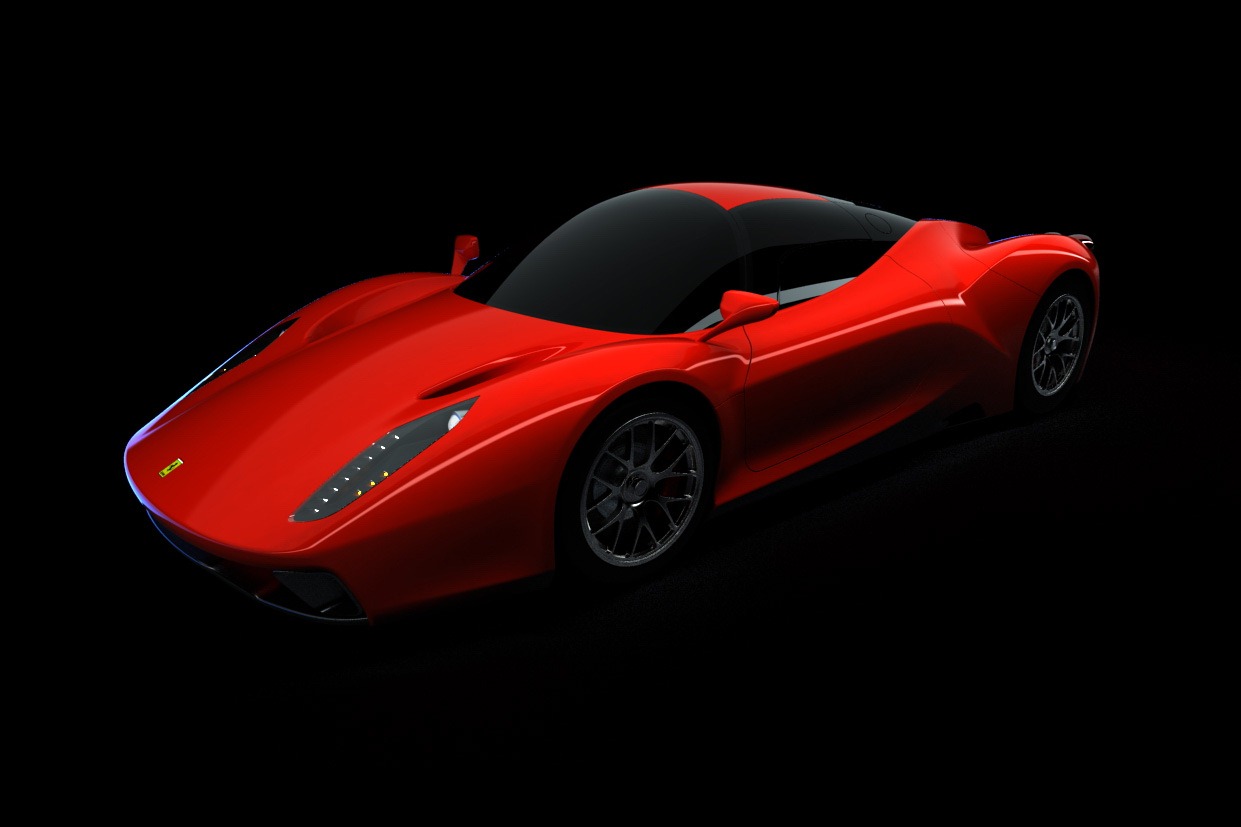
You have probably seen our most recent pictures of the prototypes of Ferrari's Enzo replacement undergoing tests in Europe, but what could the actual production version look like when the new model, reportedly named the F70, hits showrooms in late 2013? For now, this is a question that will likely remain mercifully answered, but we have an interesting design study for the Ferrari F70 that was penned by industrial designer and current employee of Pininfarina's German subsidiary in Rüsselsheim, Constantin-Gabriel Radu.  The concept borrows elements from both the Ferrari 458 Italia as well as the previous Enzo, combining curves with hard creases and a teardrop glasshouse. If this design were to be produced, we would imagine that the car would obtain more air vents both on the sides and more importantly, on the rear end. Before we let you flip through the rest of the images, we will remind you that at last week's Beijing Motor Show, Ferrari previewed its new HY-KERS hybrid system that's bound for the Enzo's successor and which links a V12 engine to a pair of electric motors, one to power the car's auxiliary systems, and the other to drive the rear wheels.It is believed that that combined output of the twelve cylinder engine and the electric motor will surpass the 900-horsepower mark.
PHOTO GALLERY


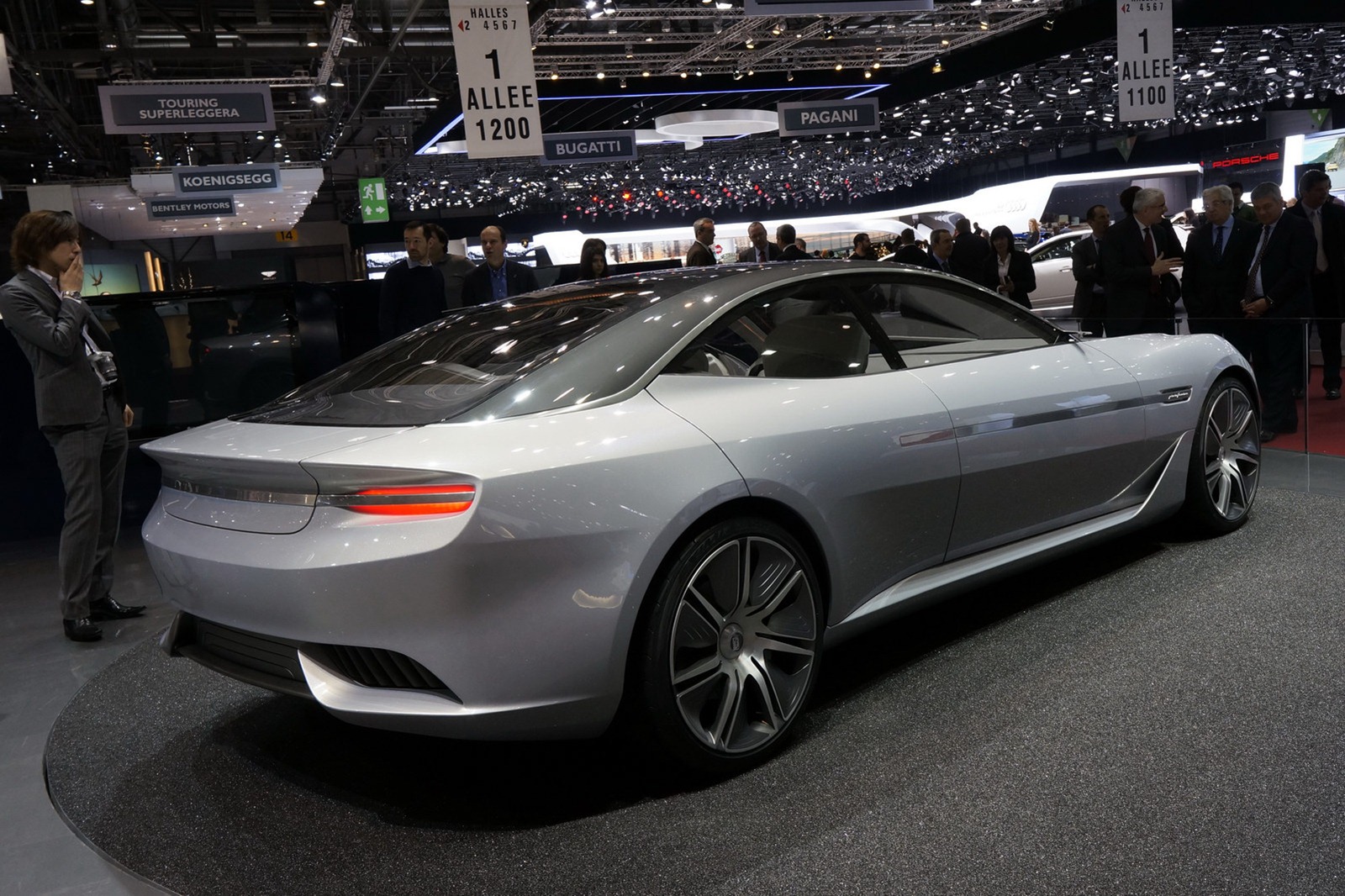
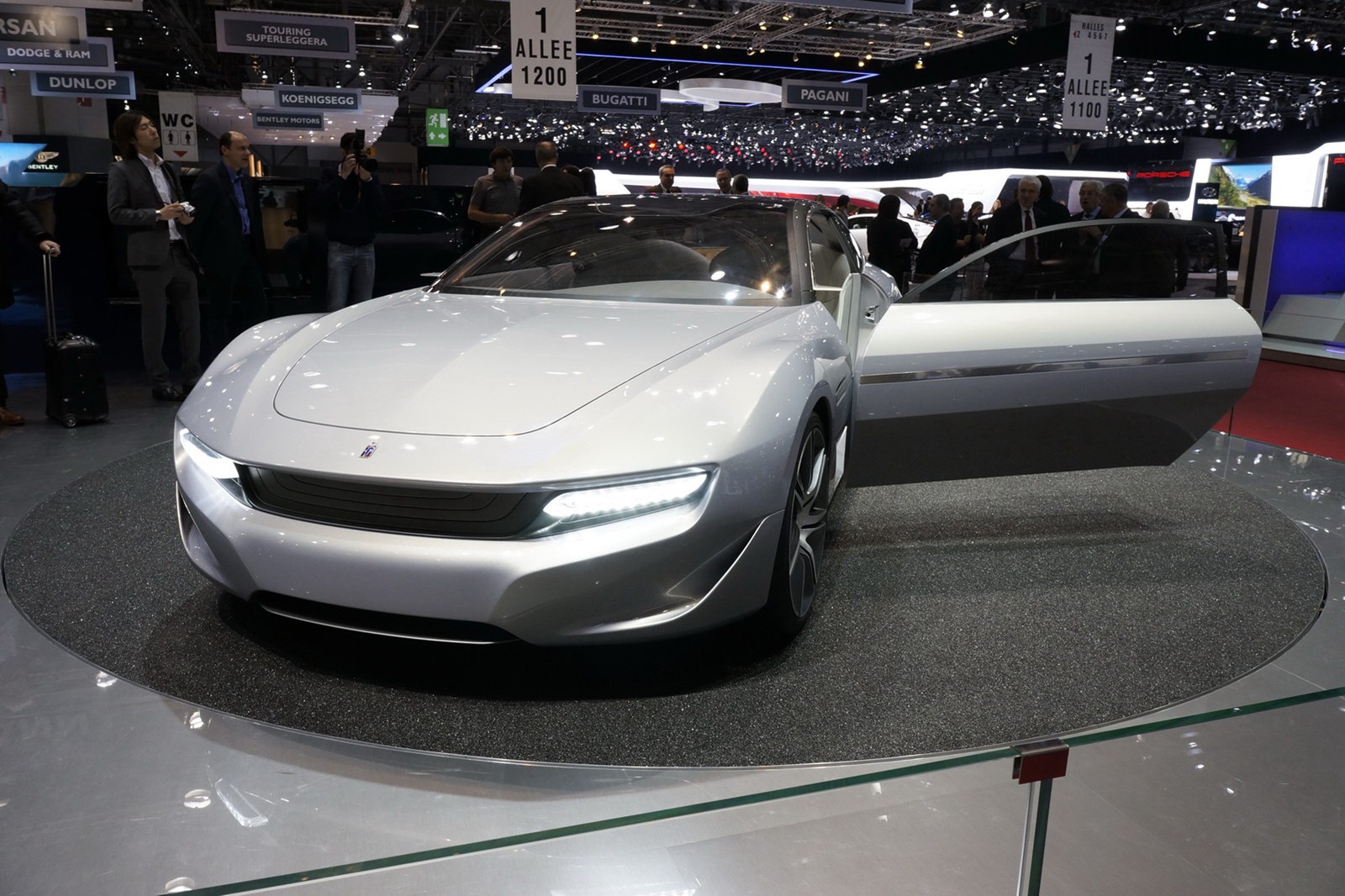
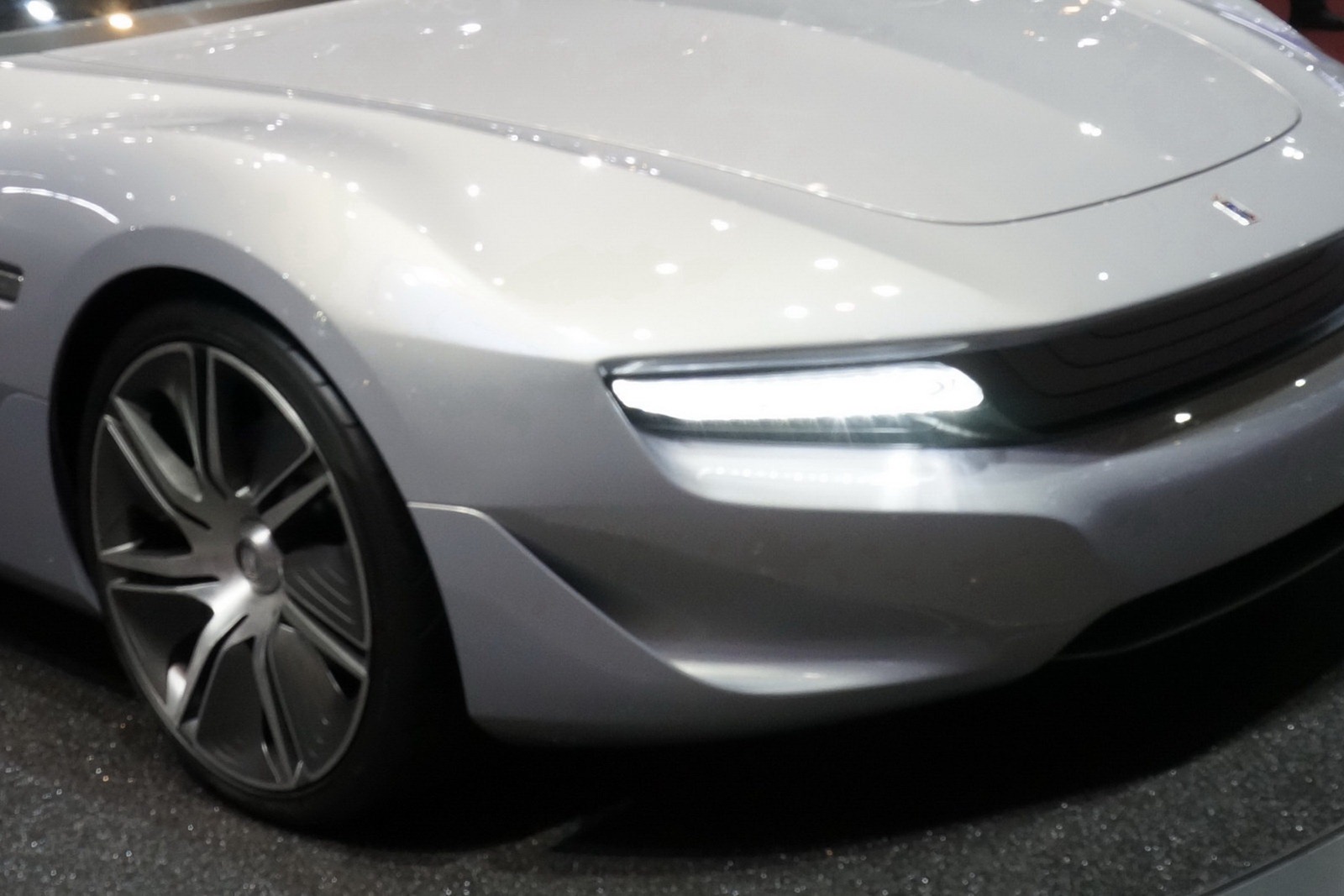
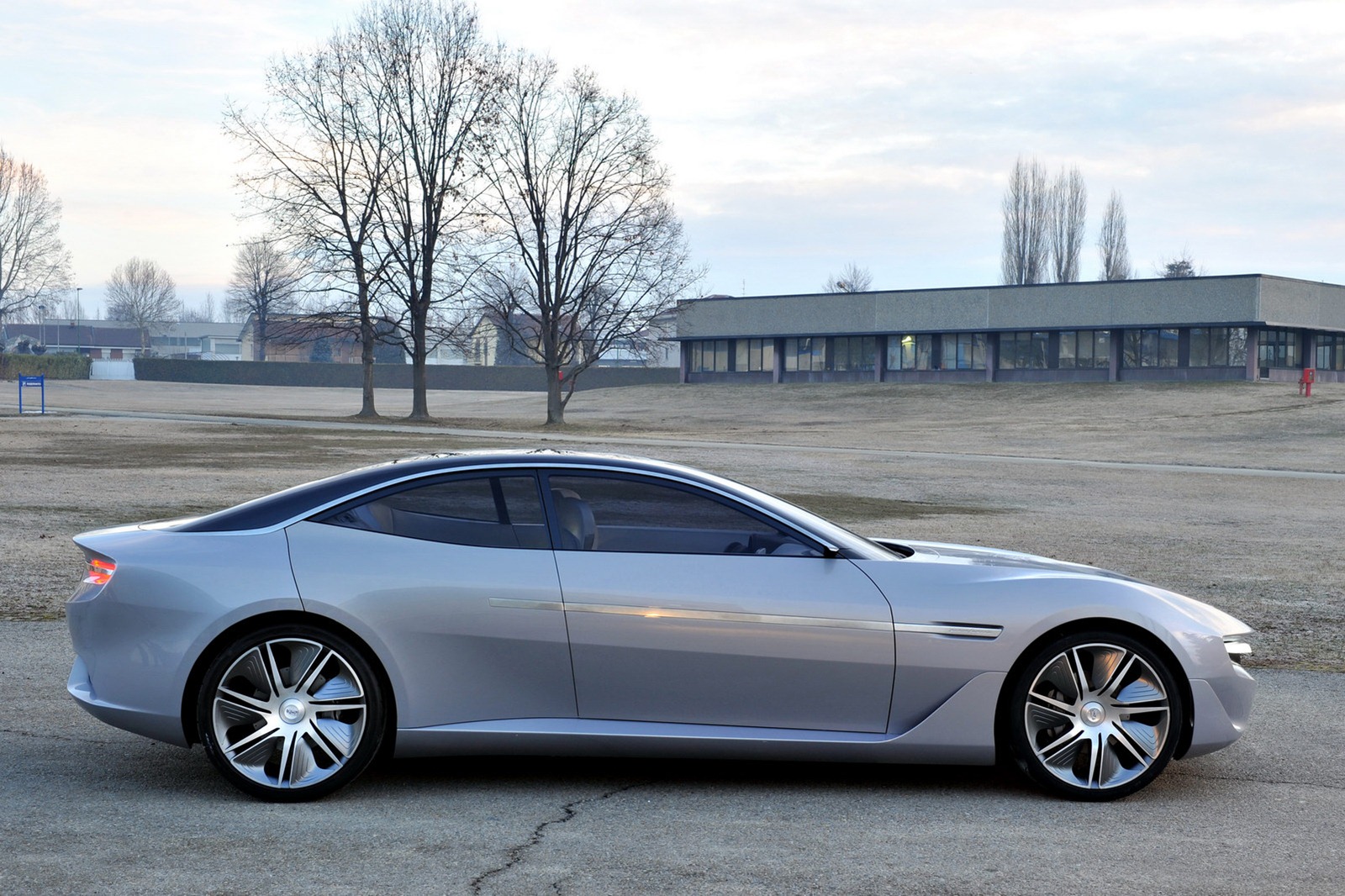
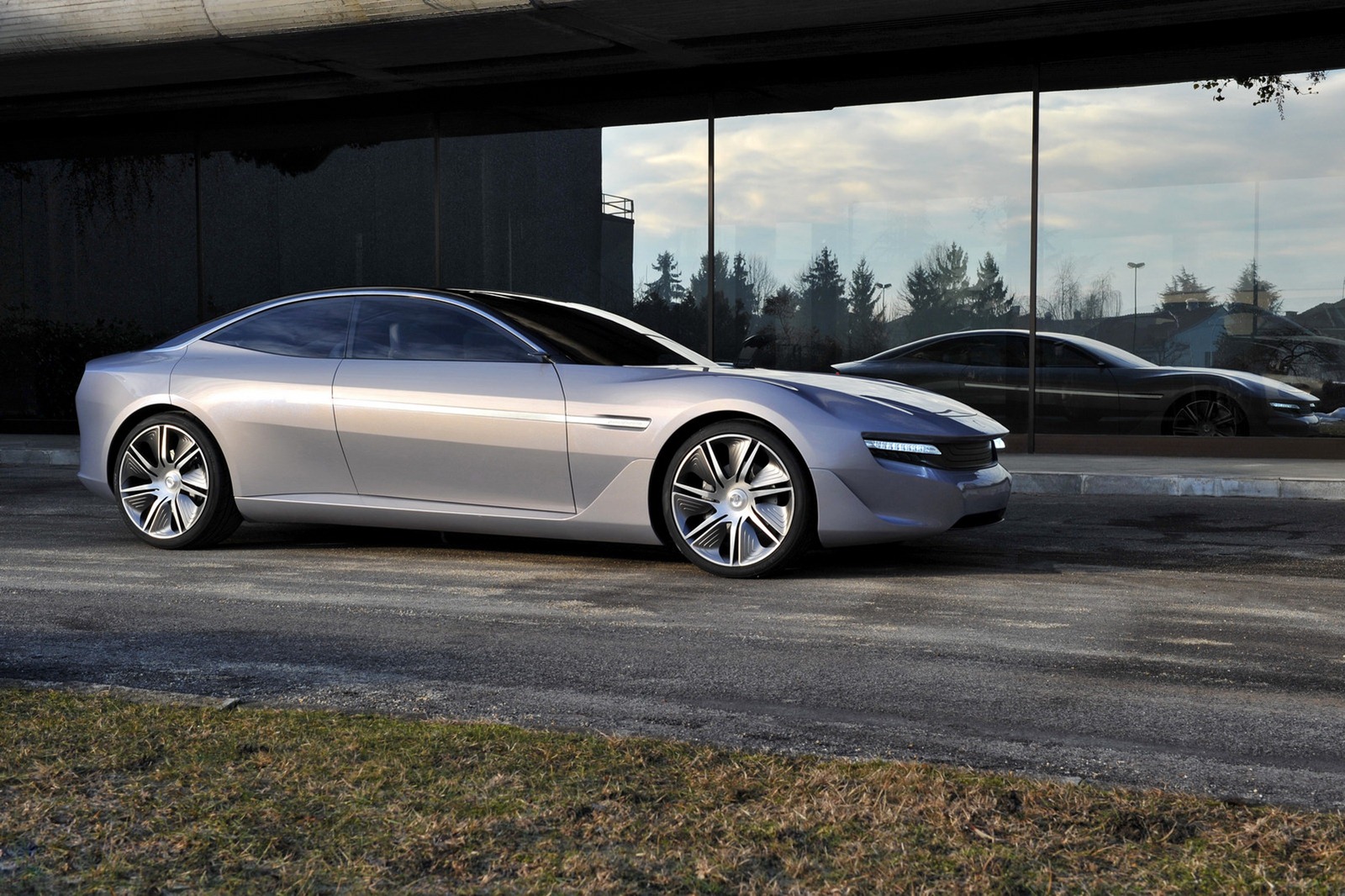
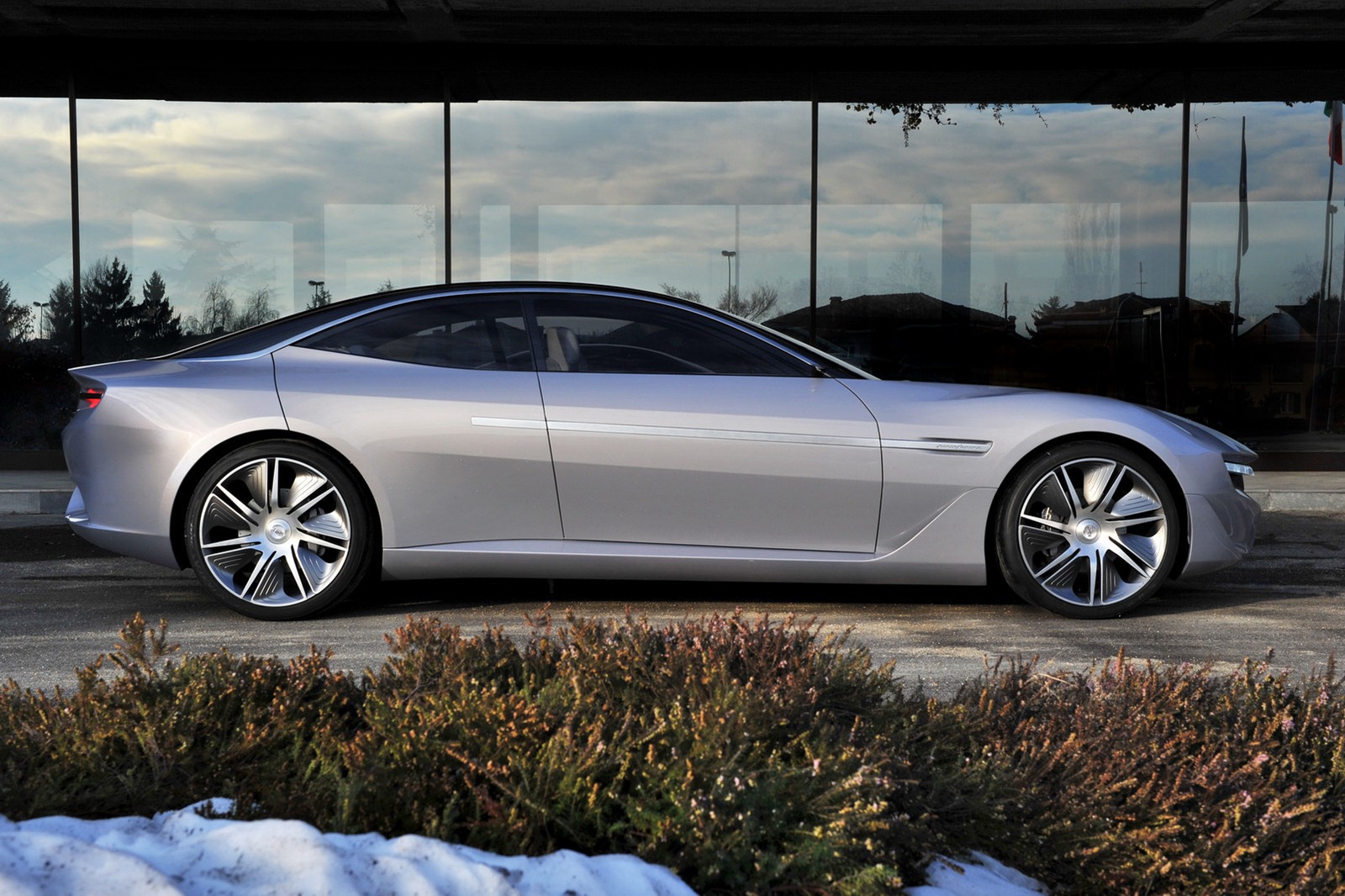
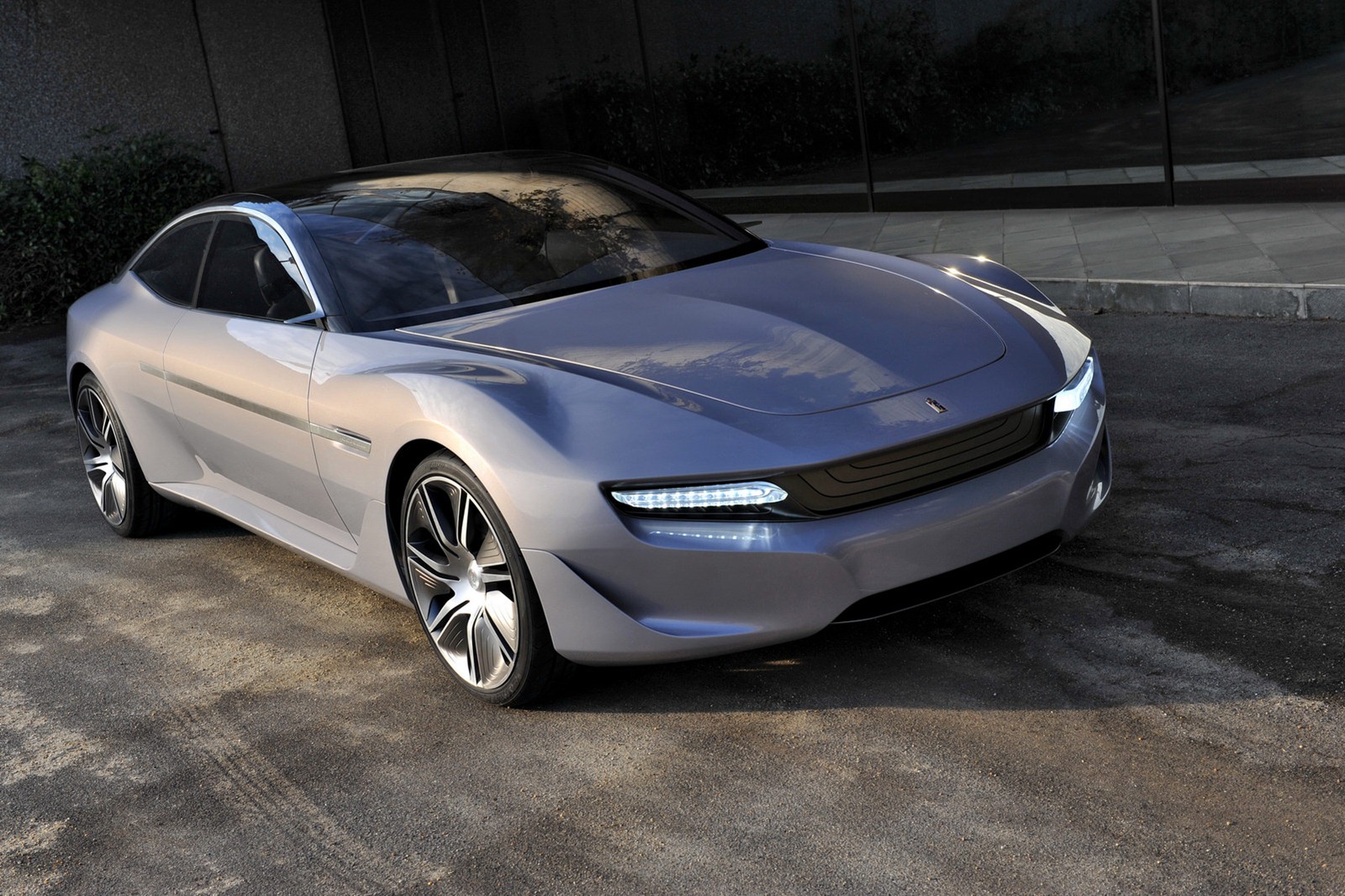
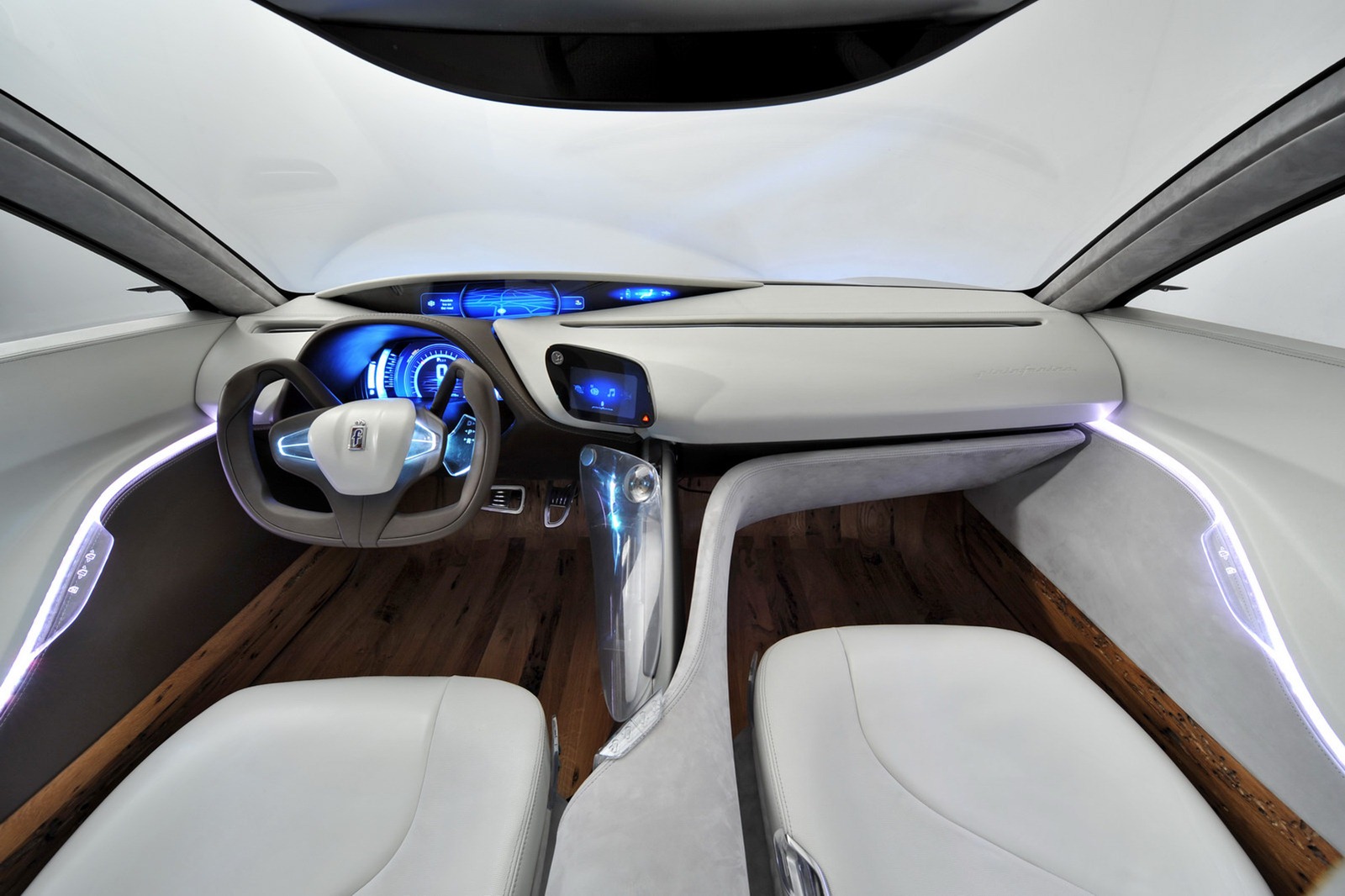
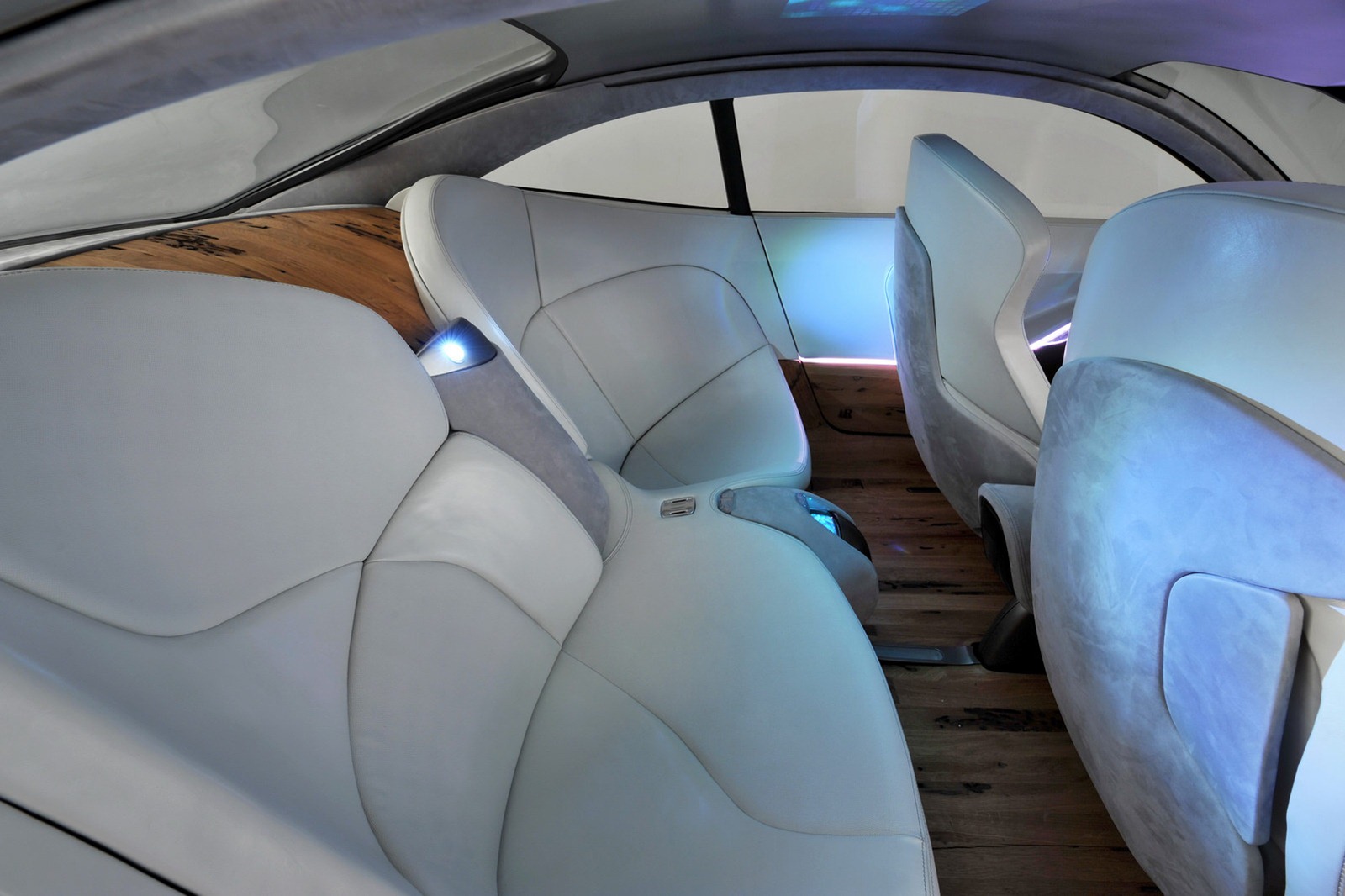
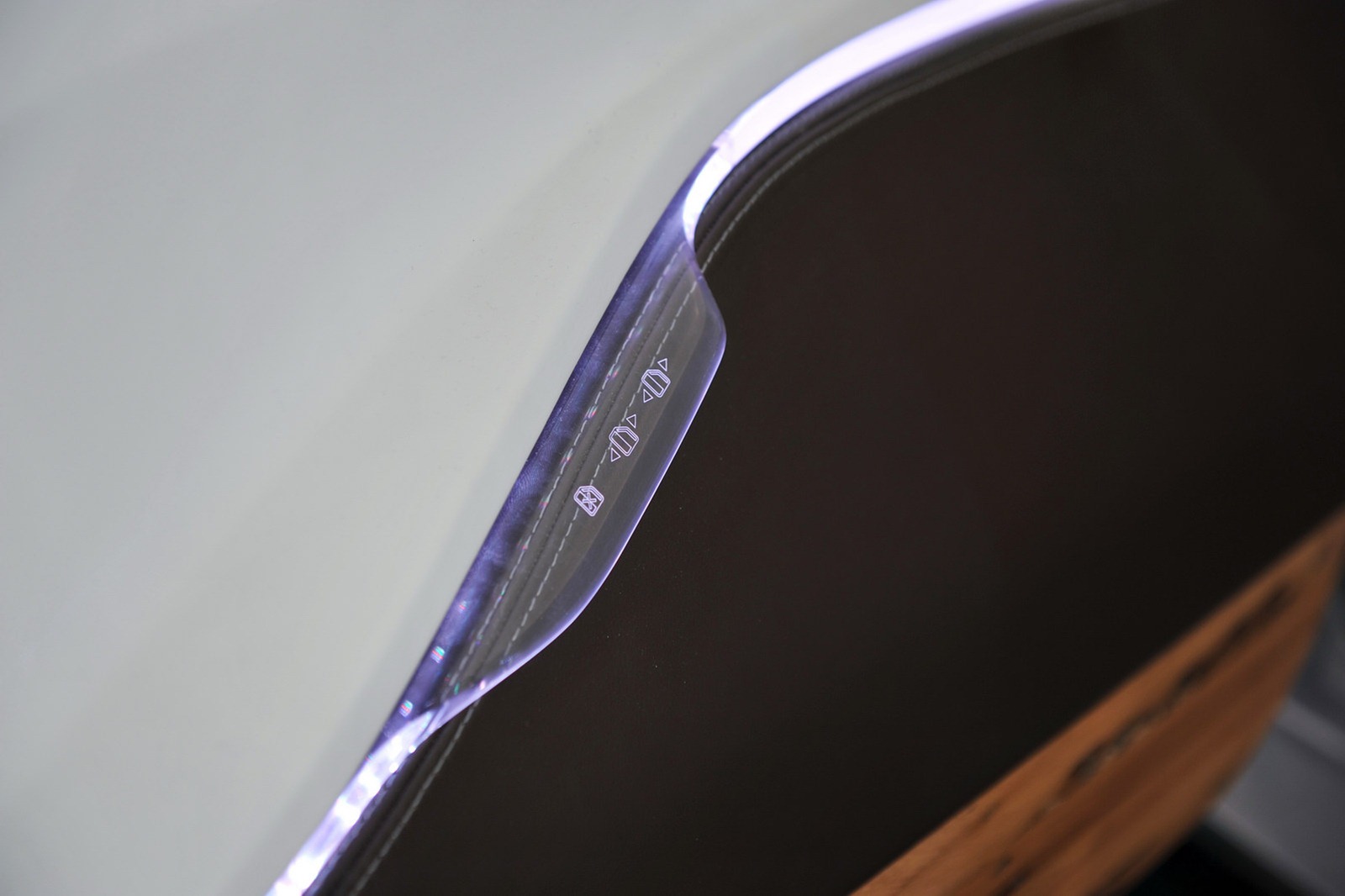
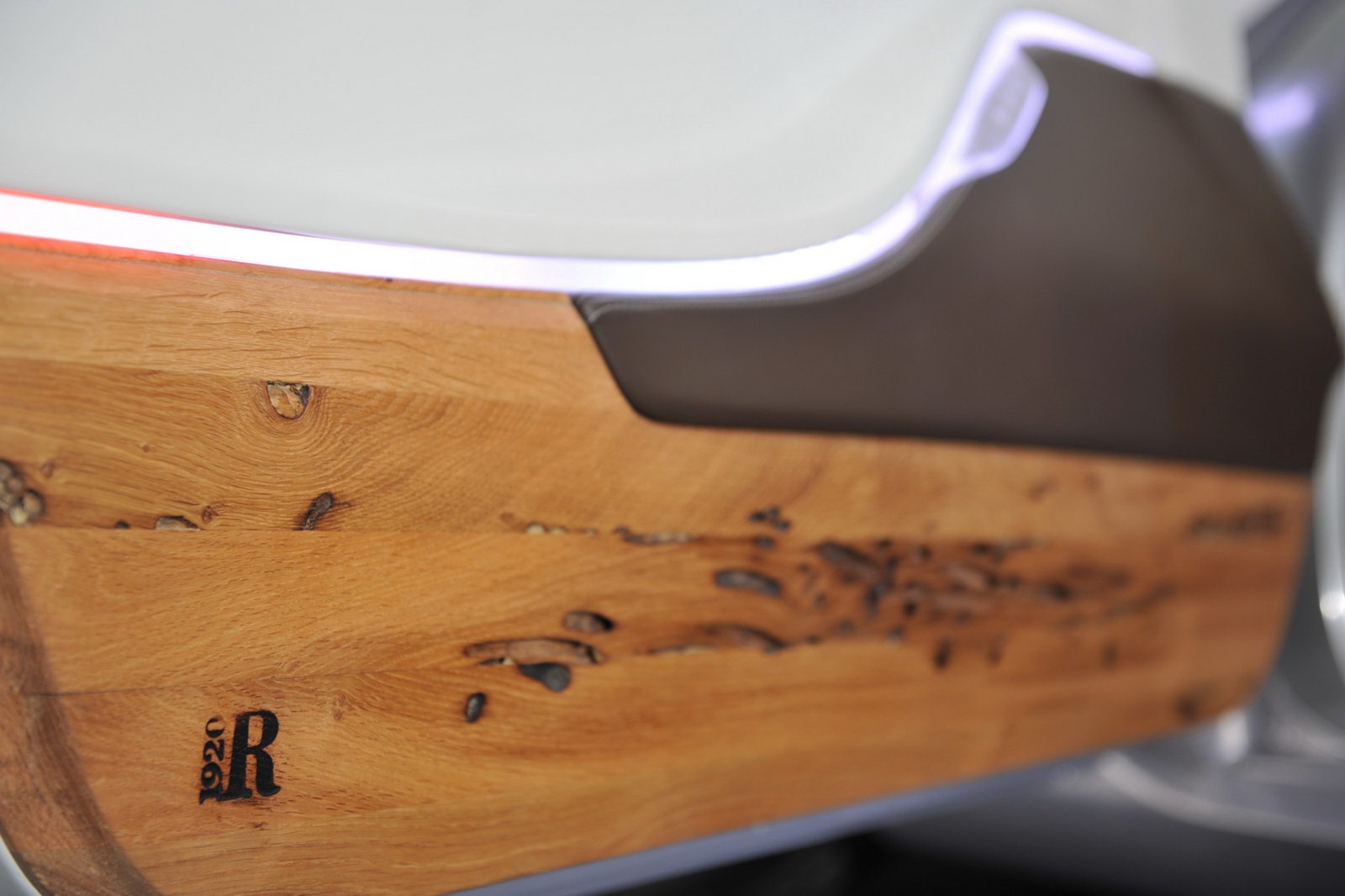
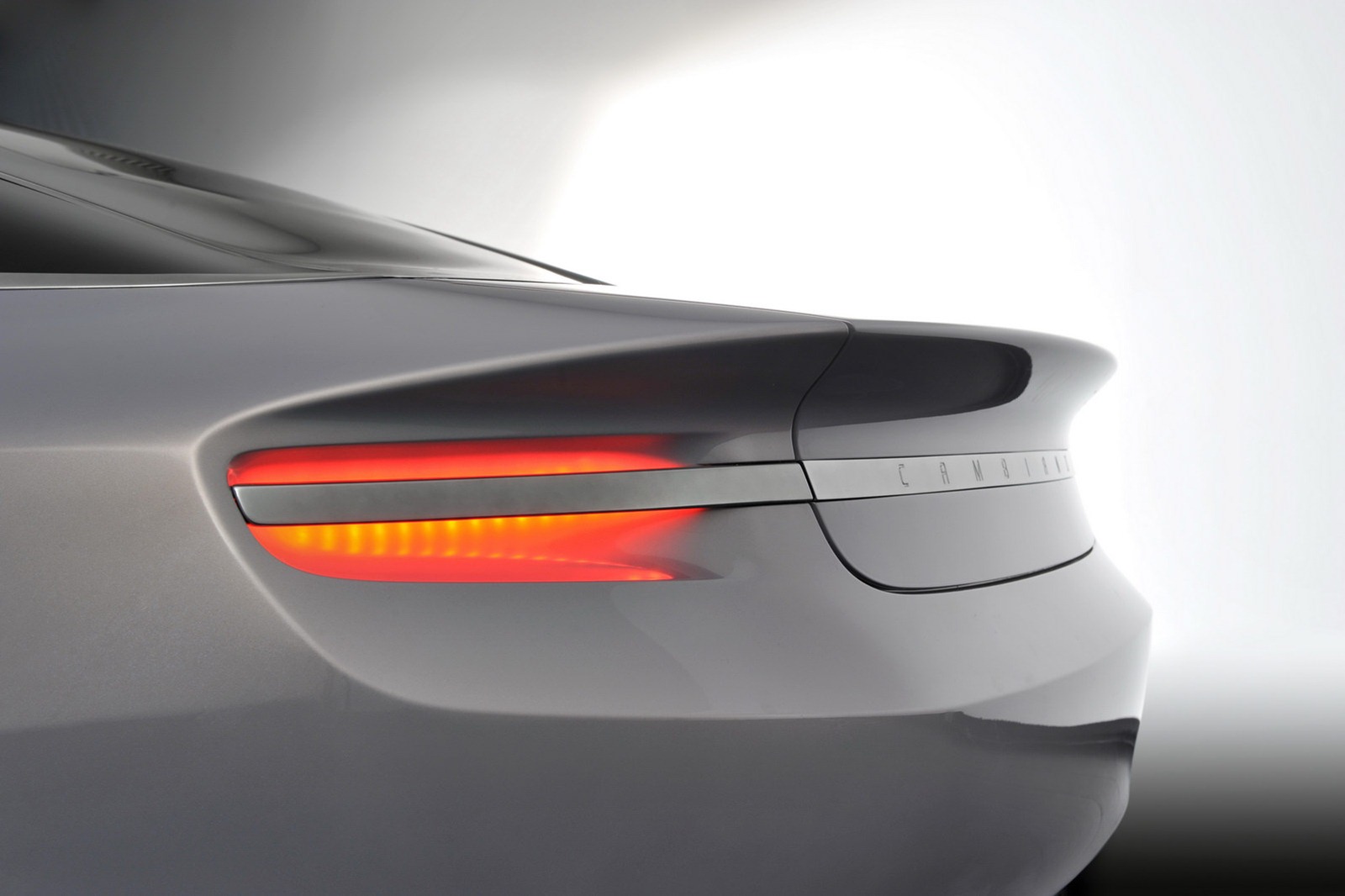
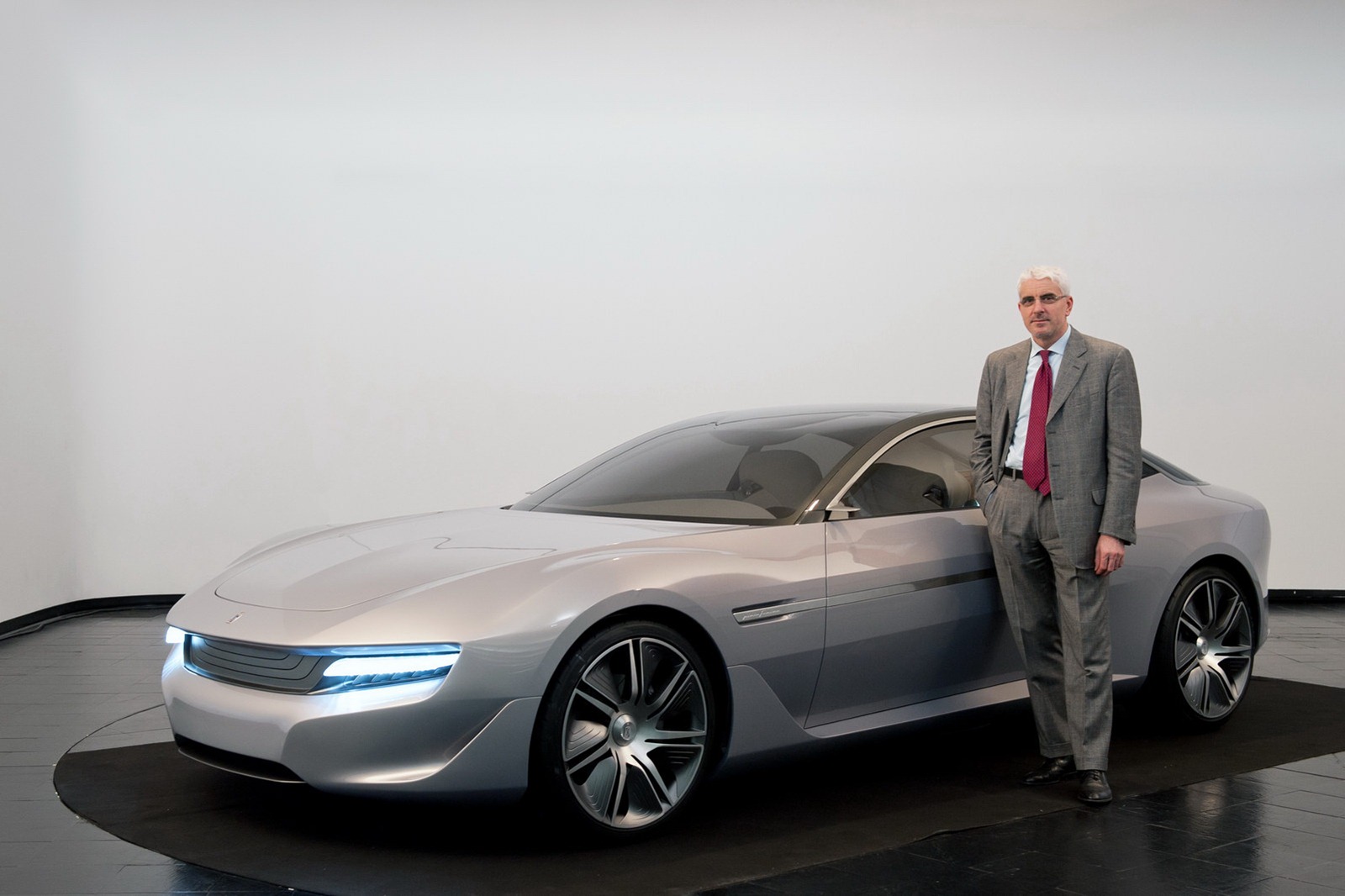
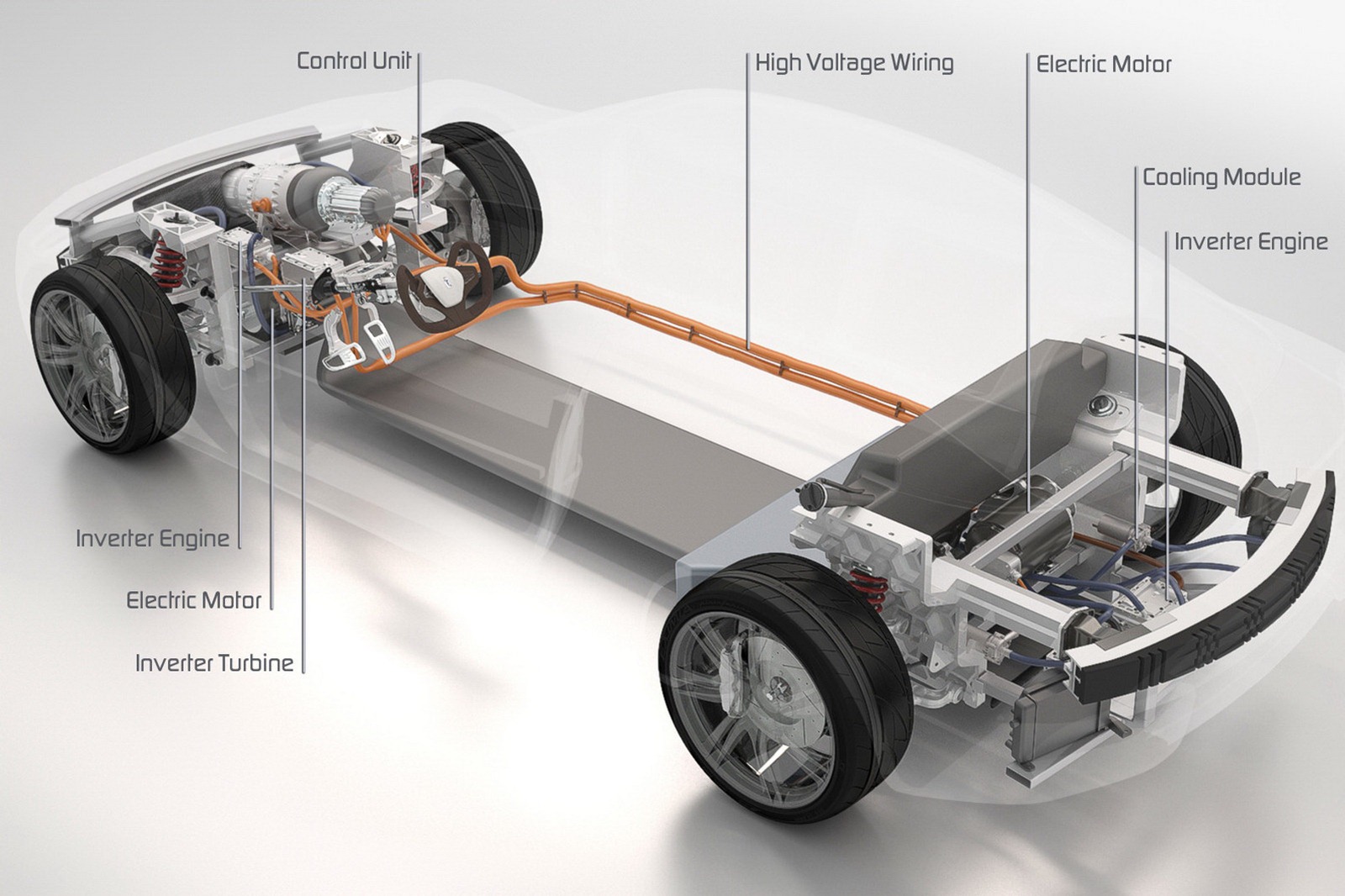
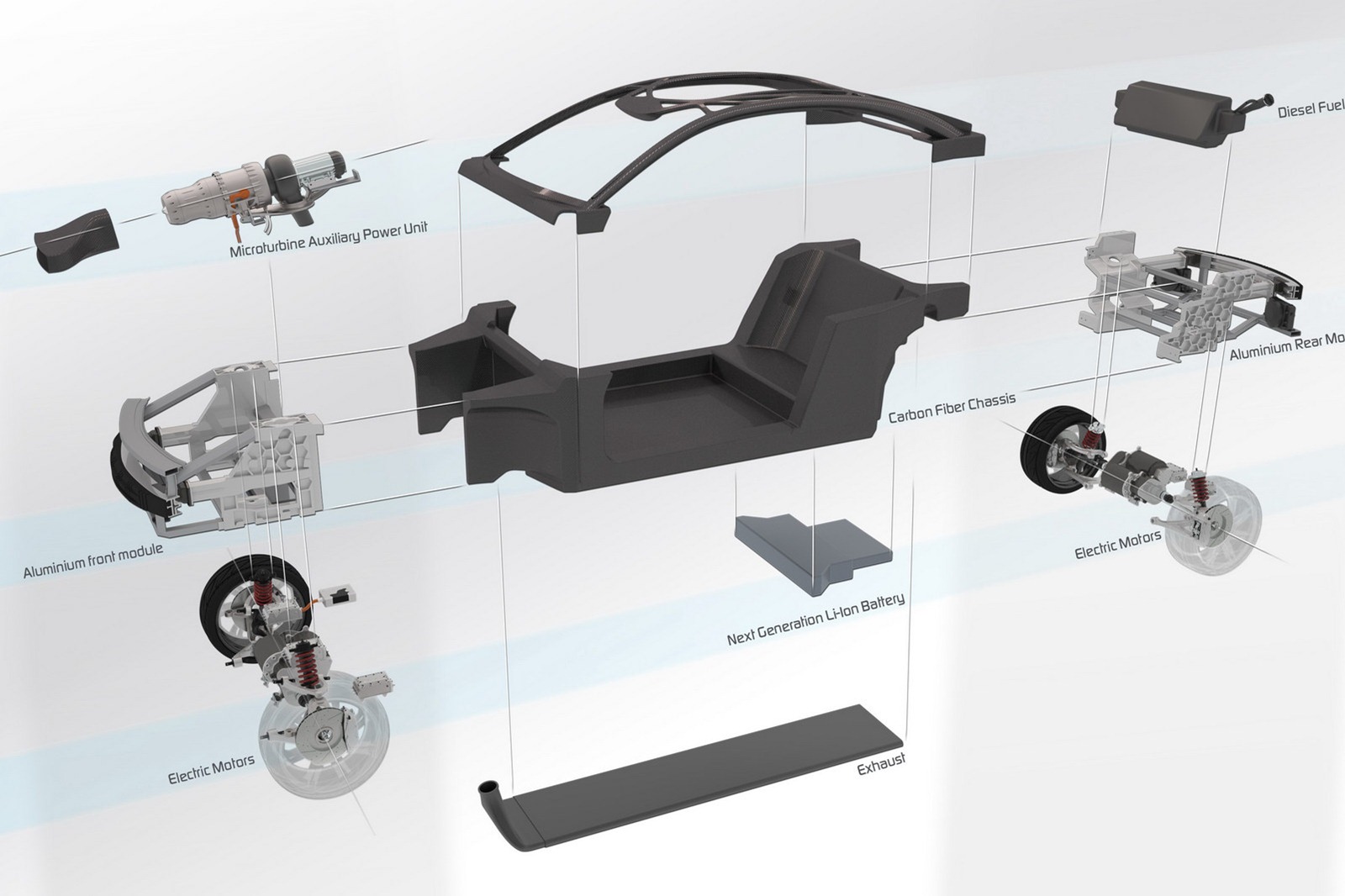
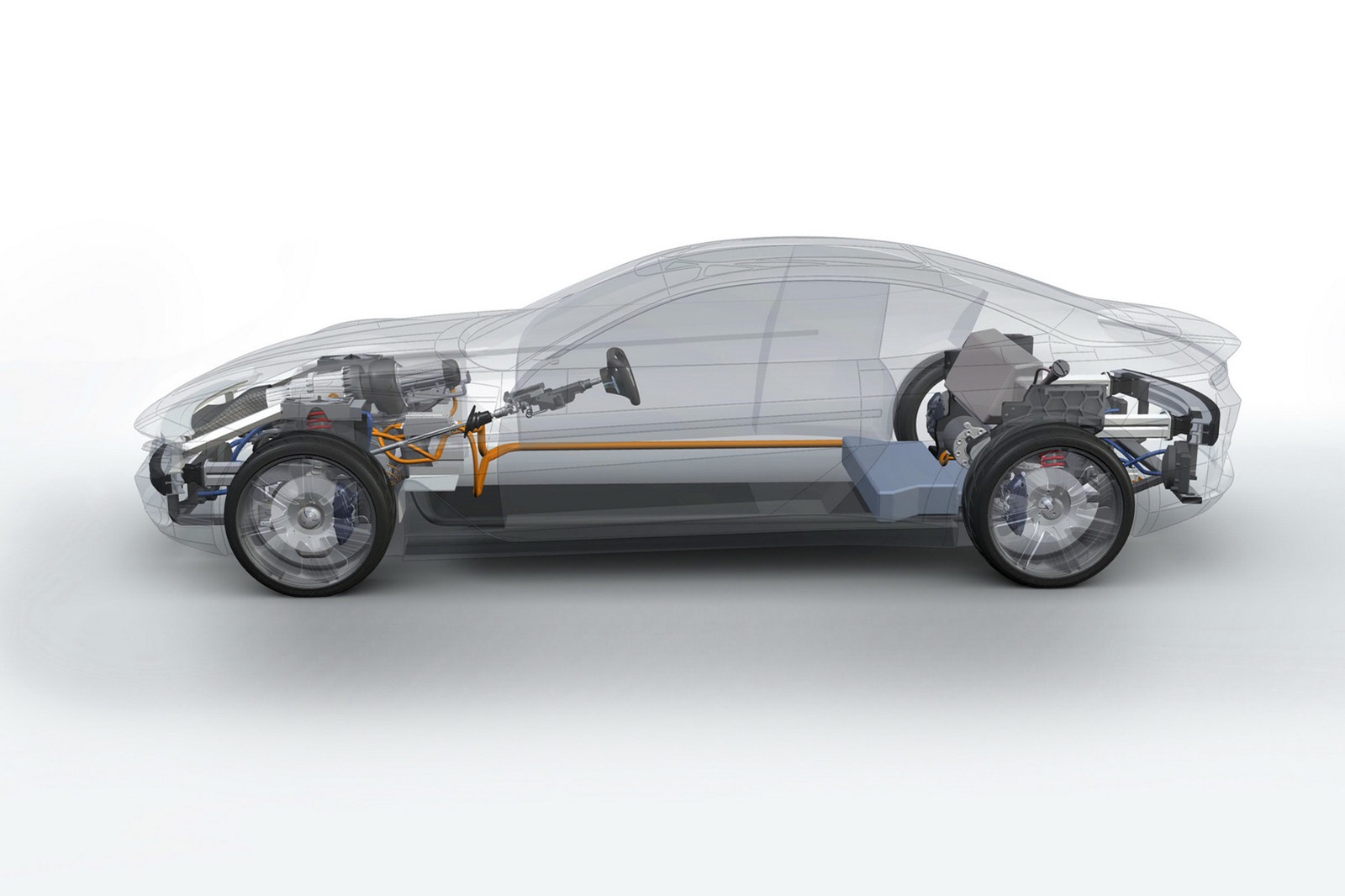
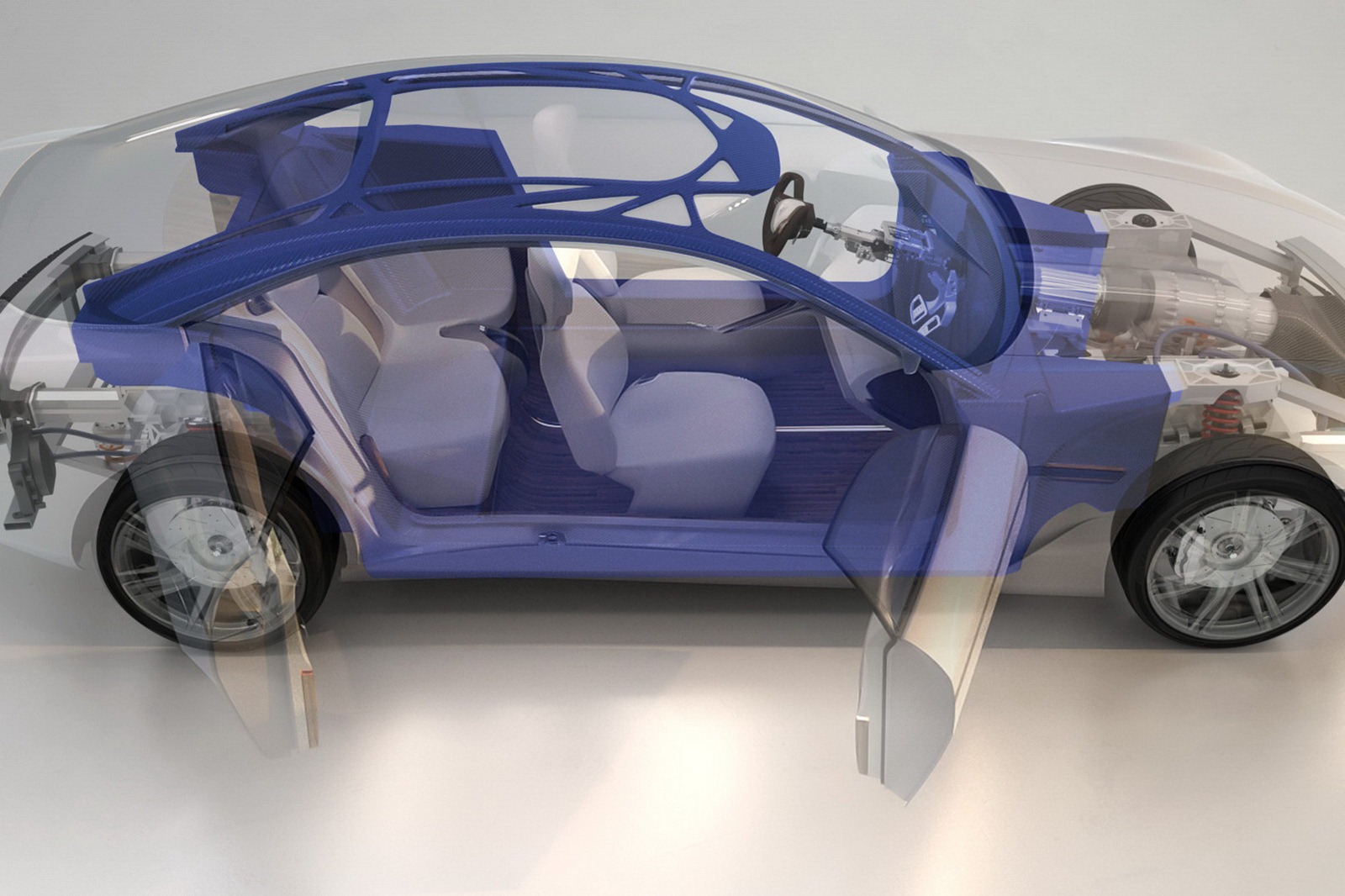
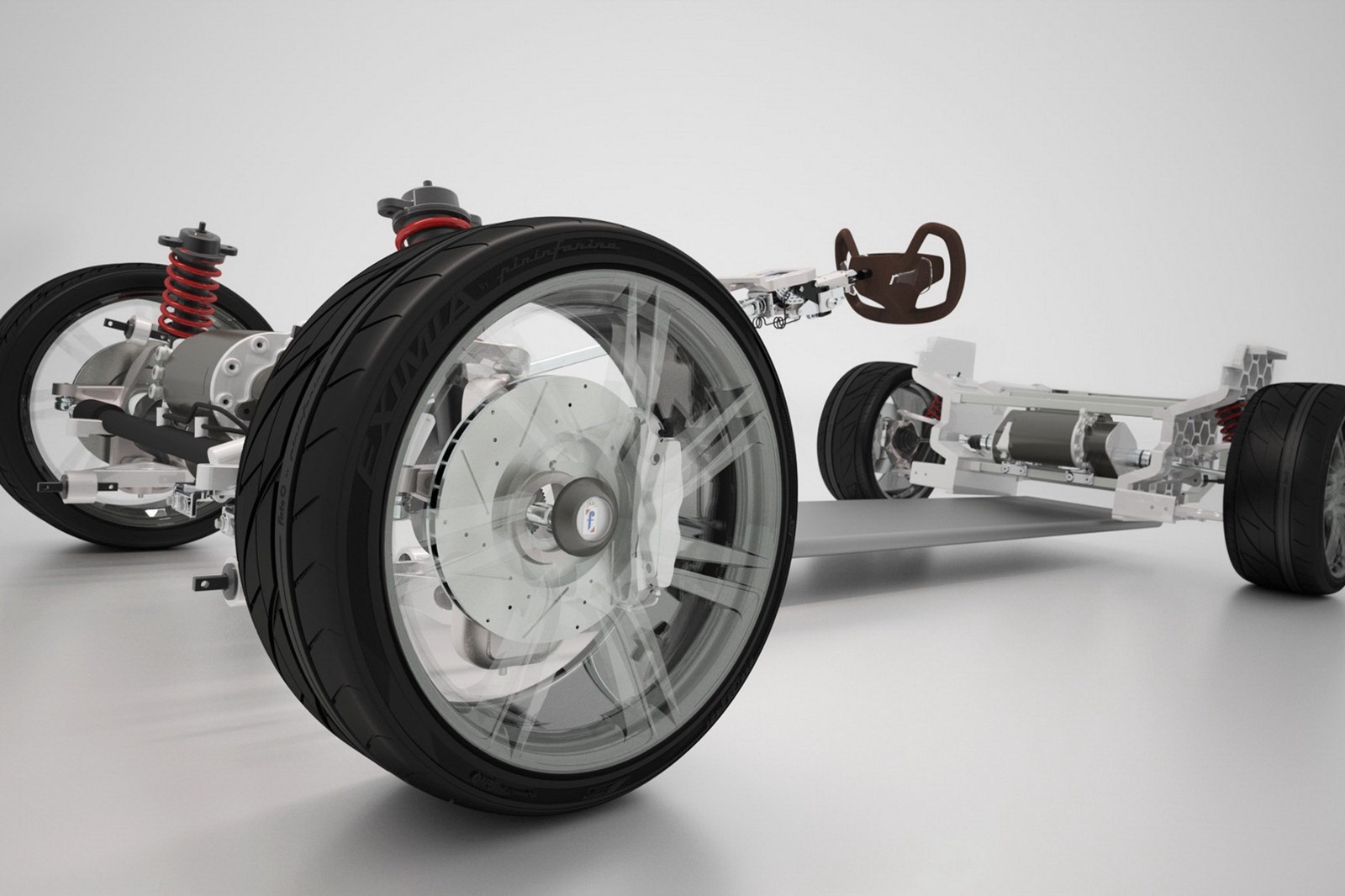
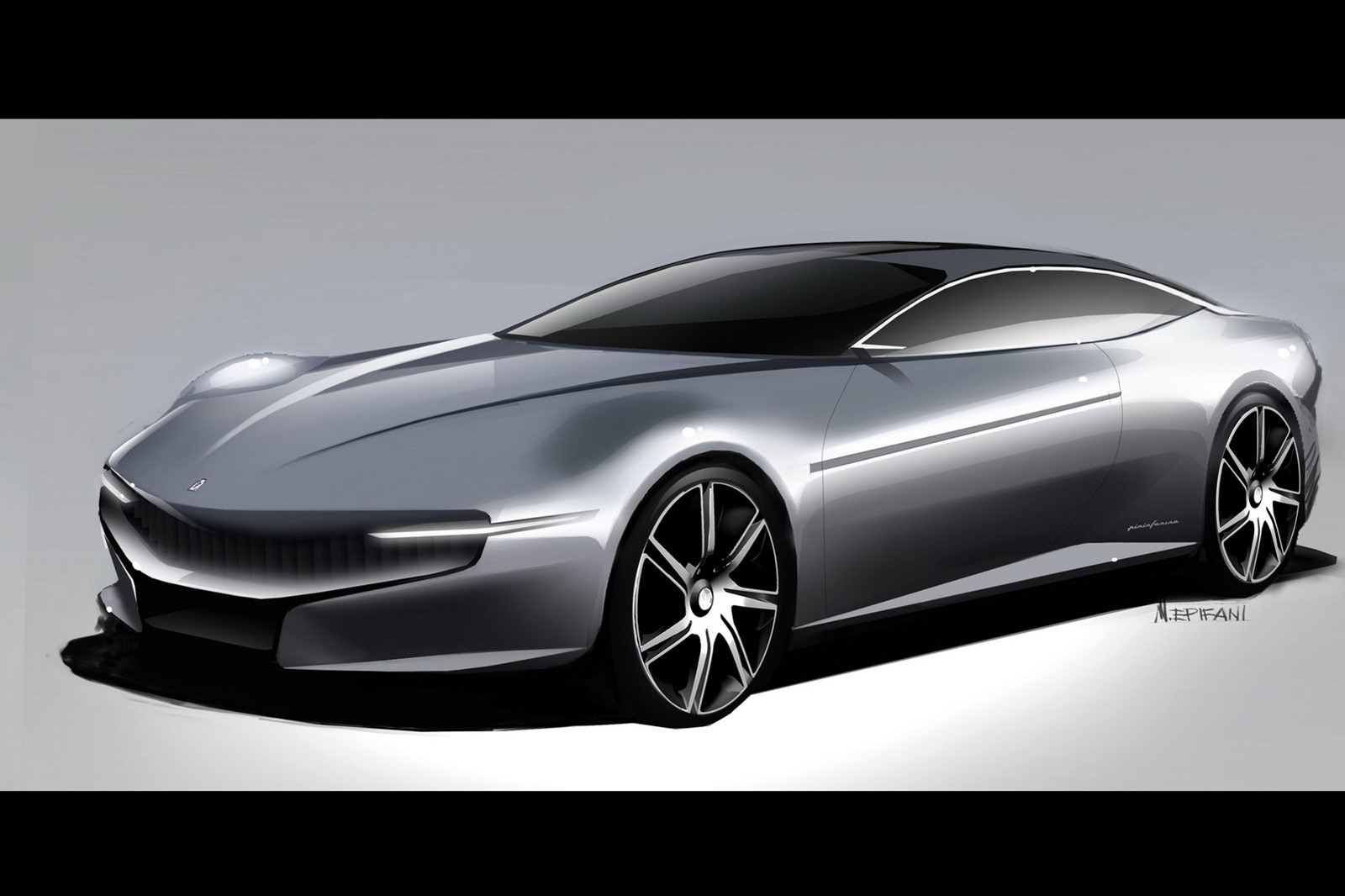
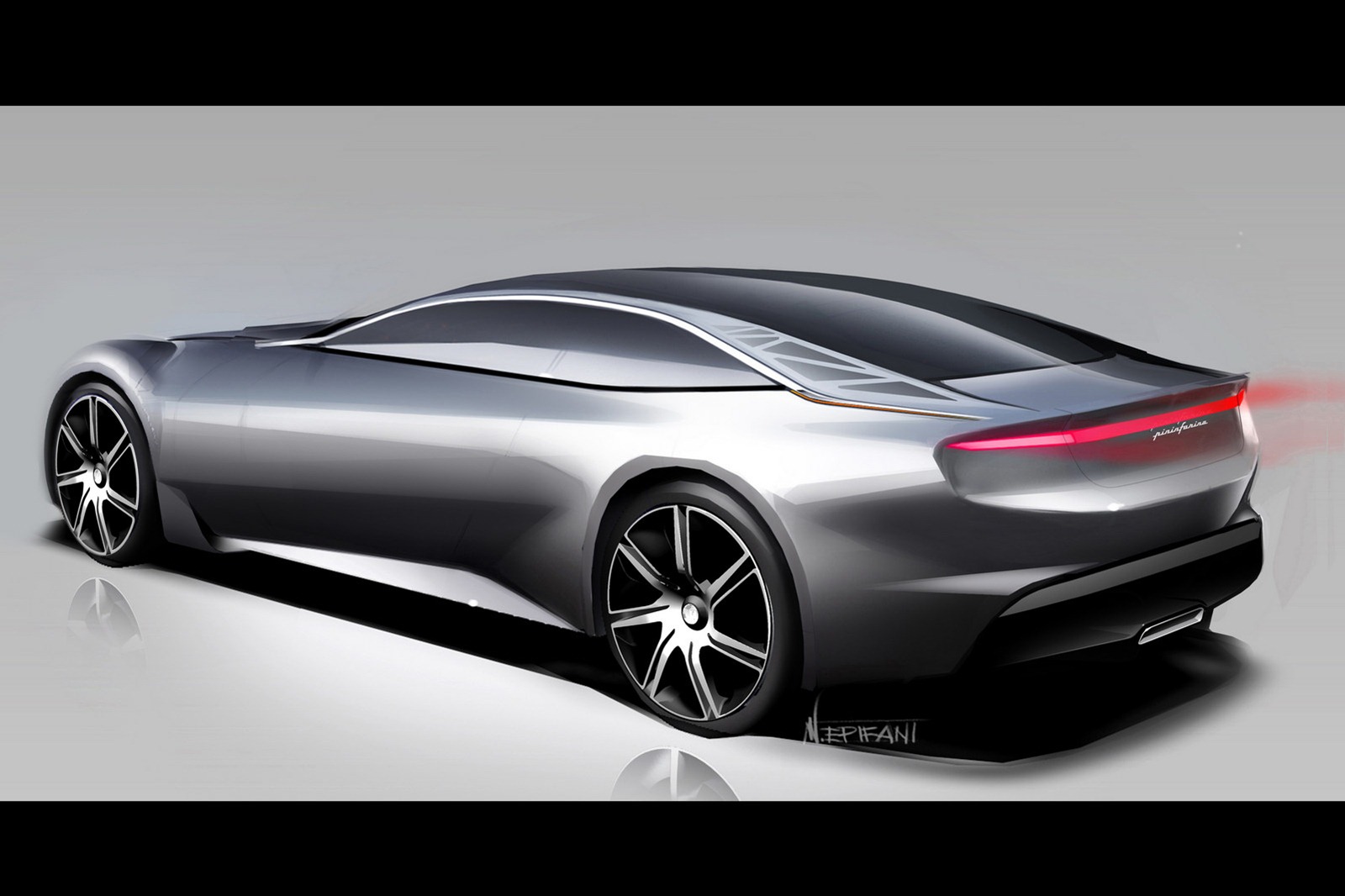
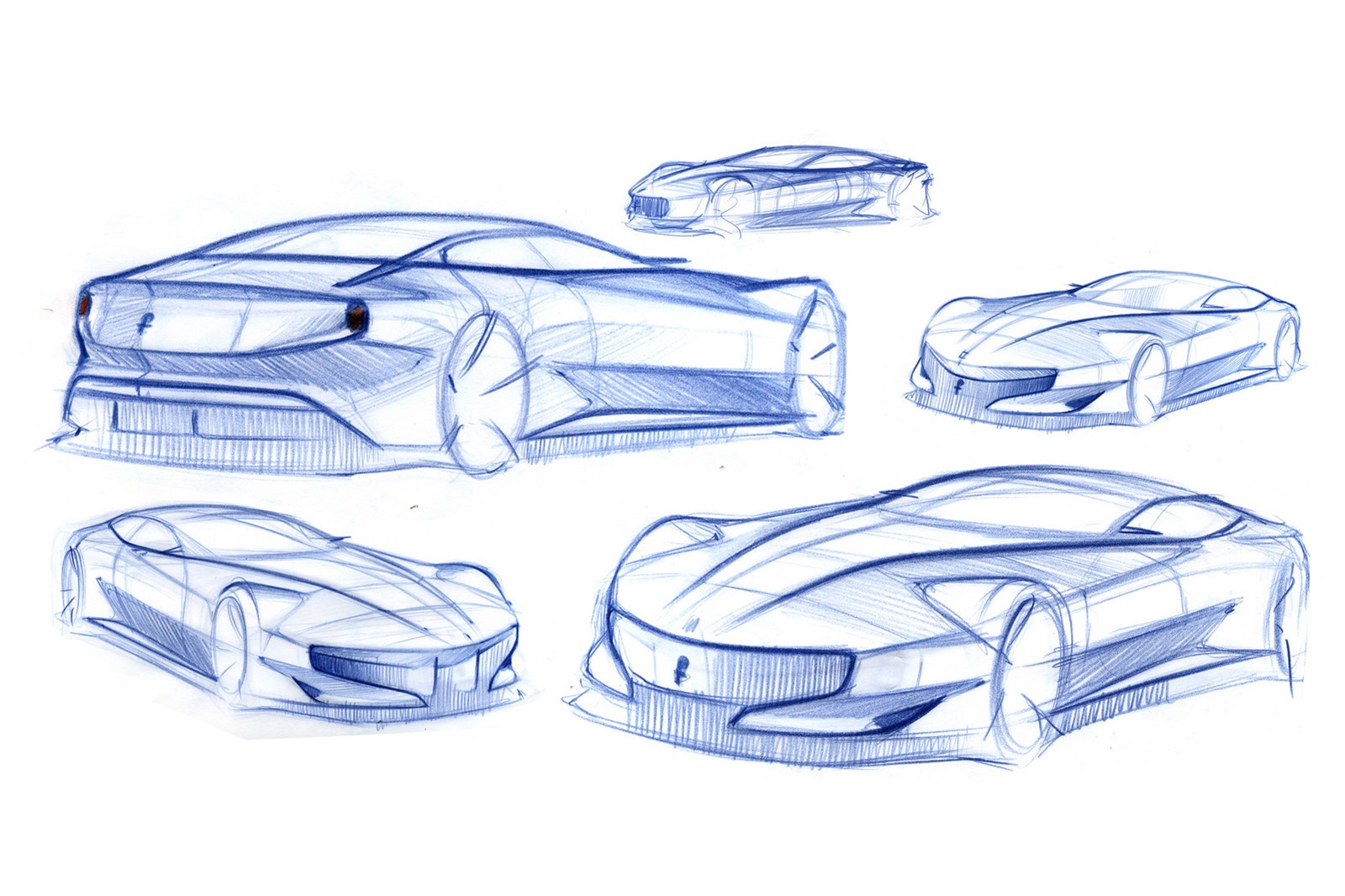
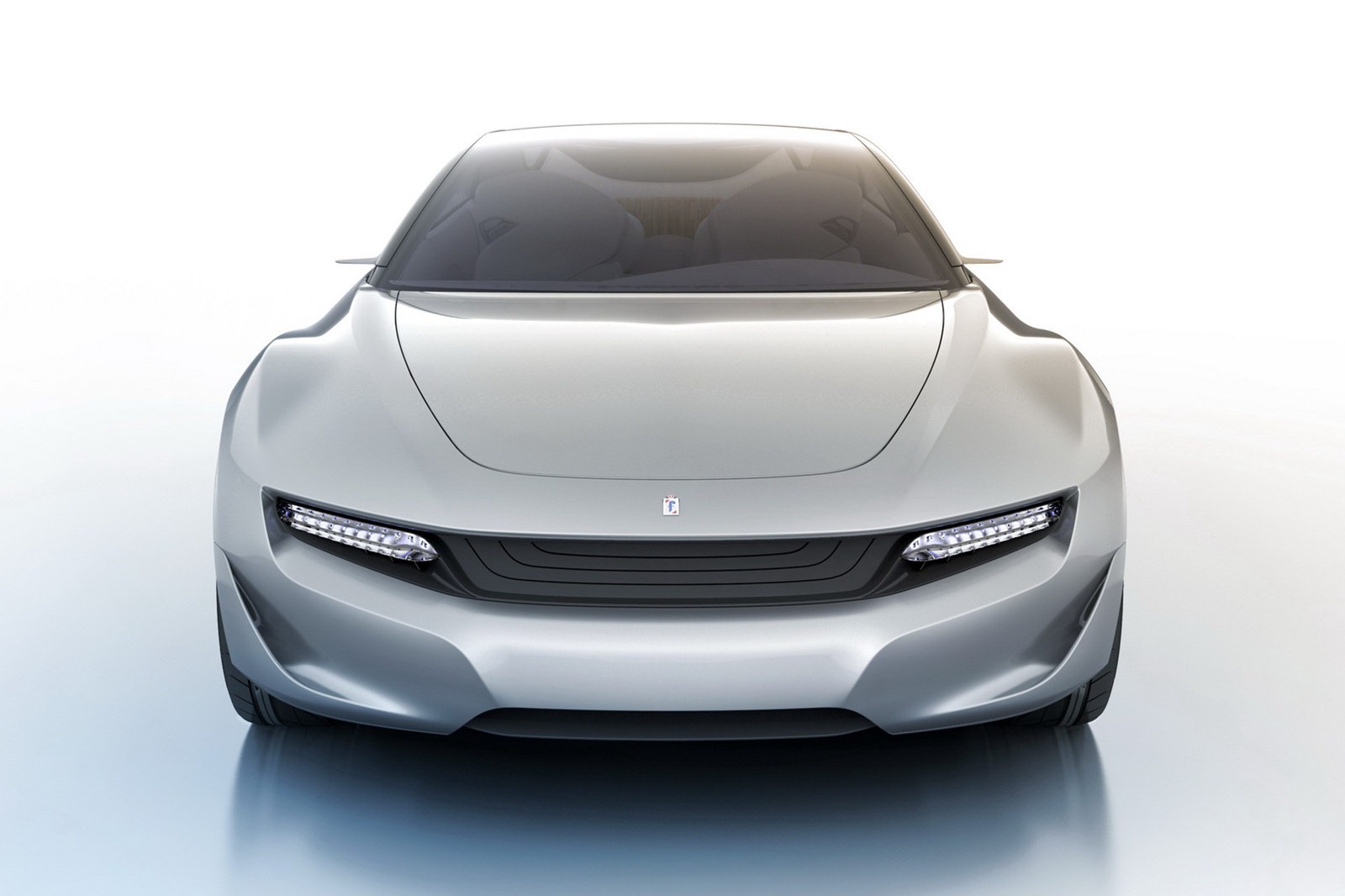
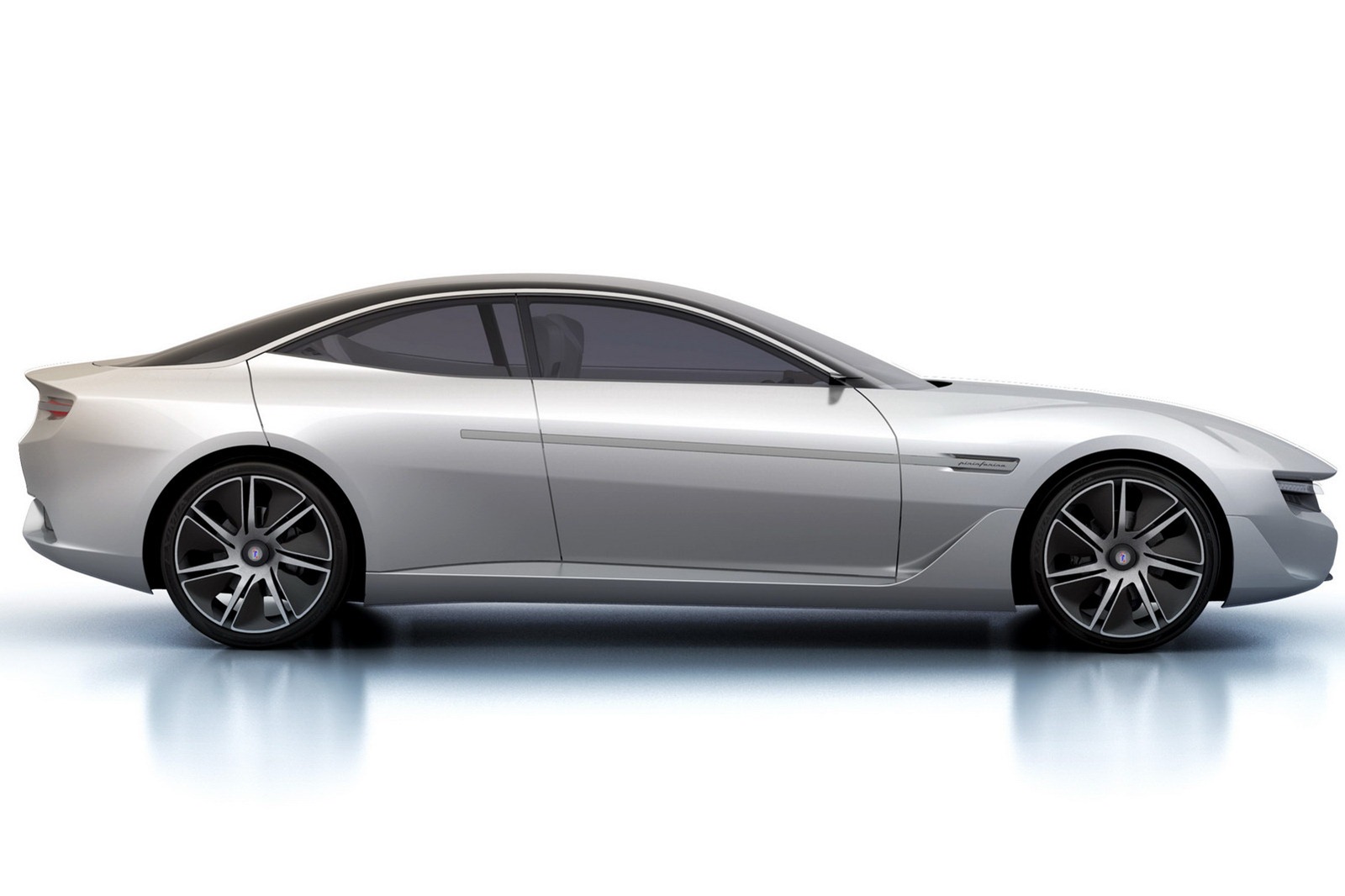
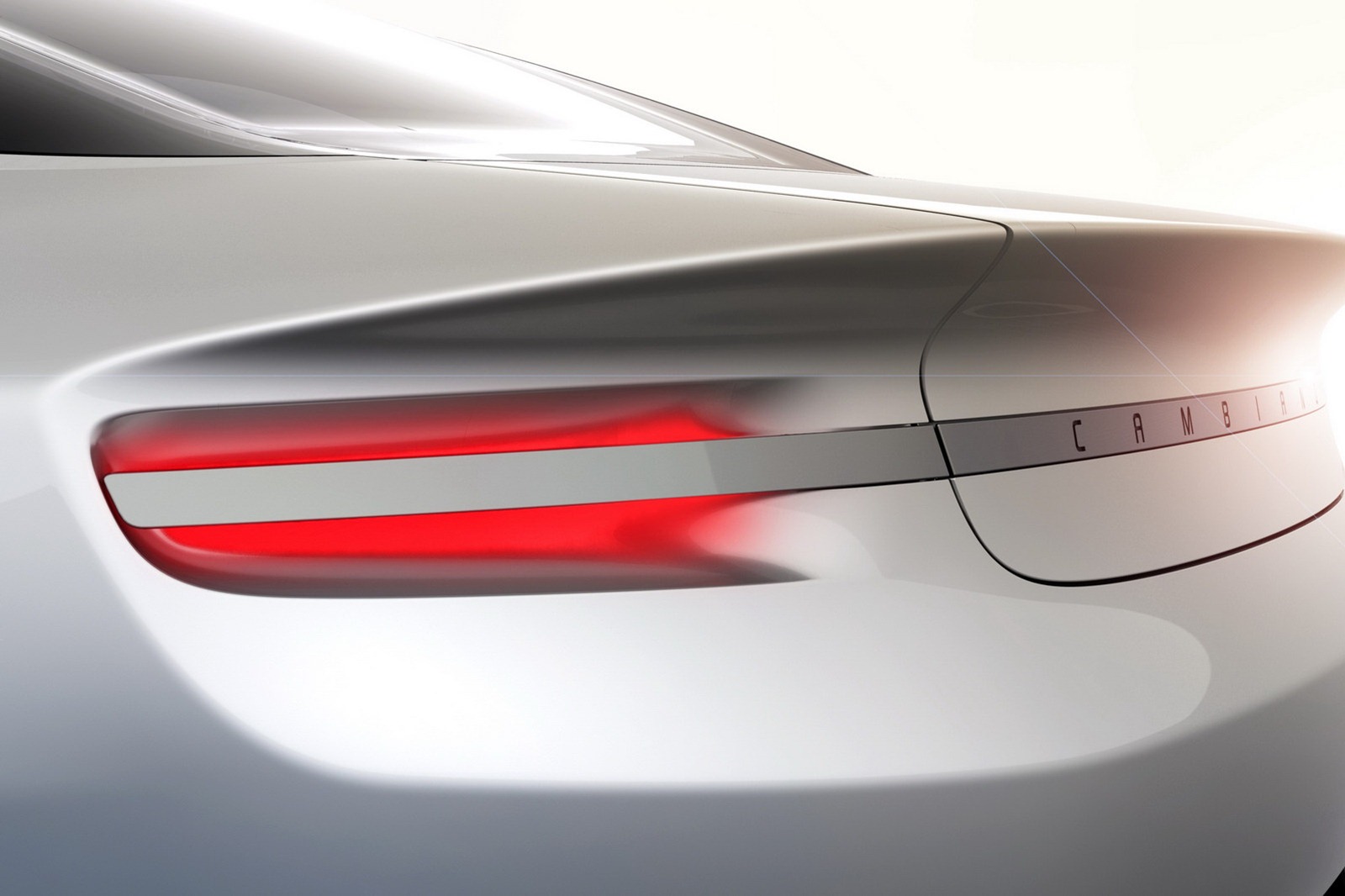
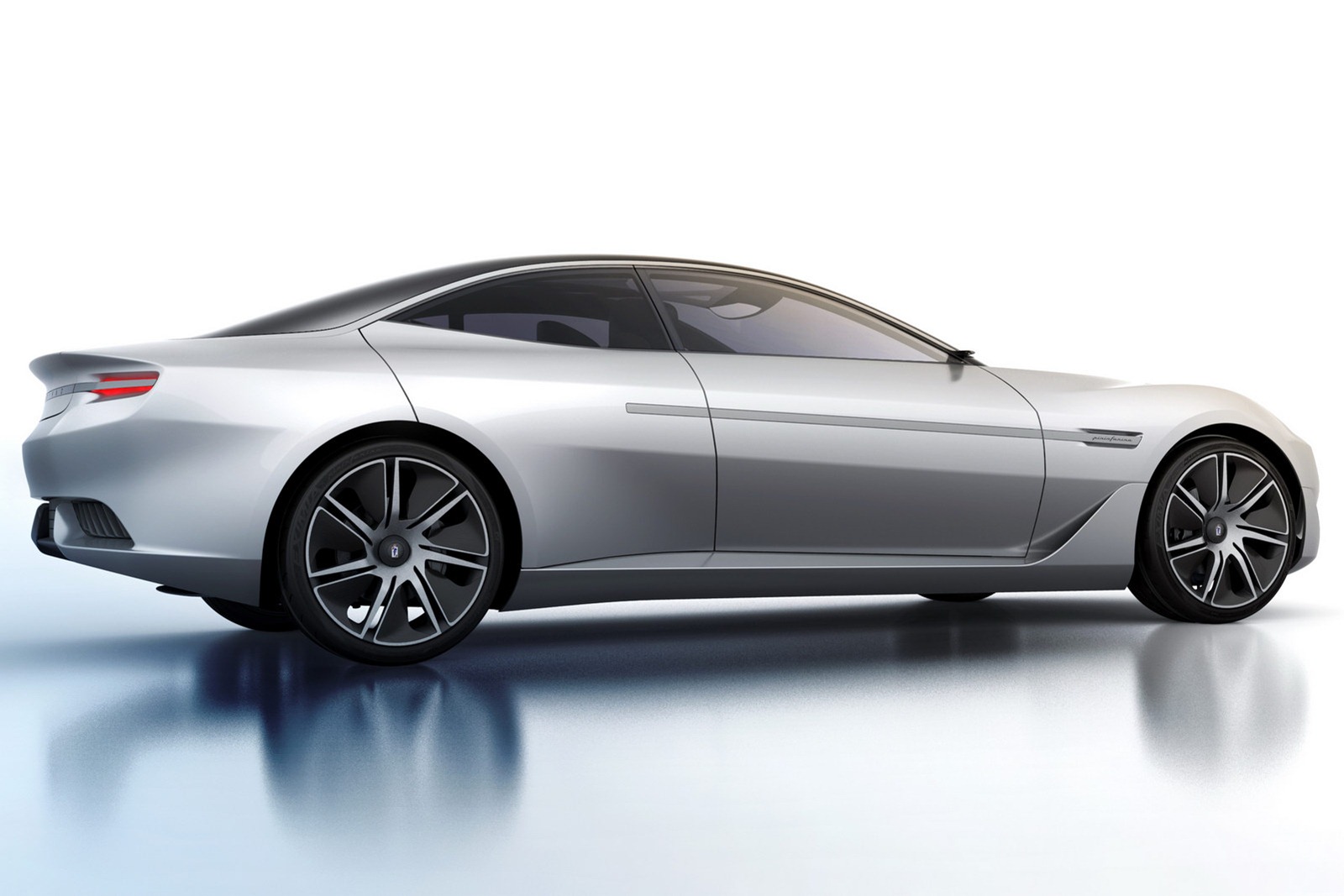
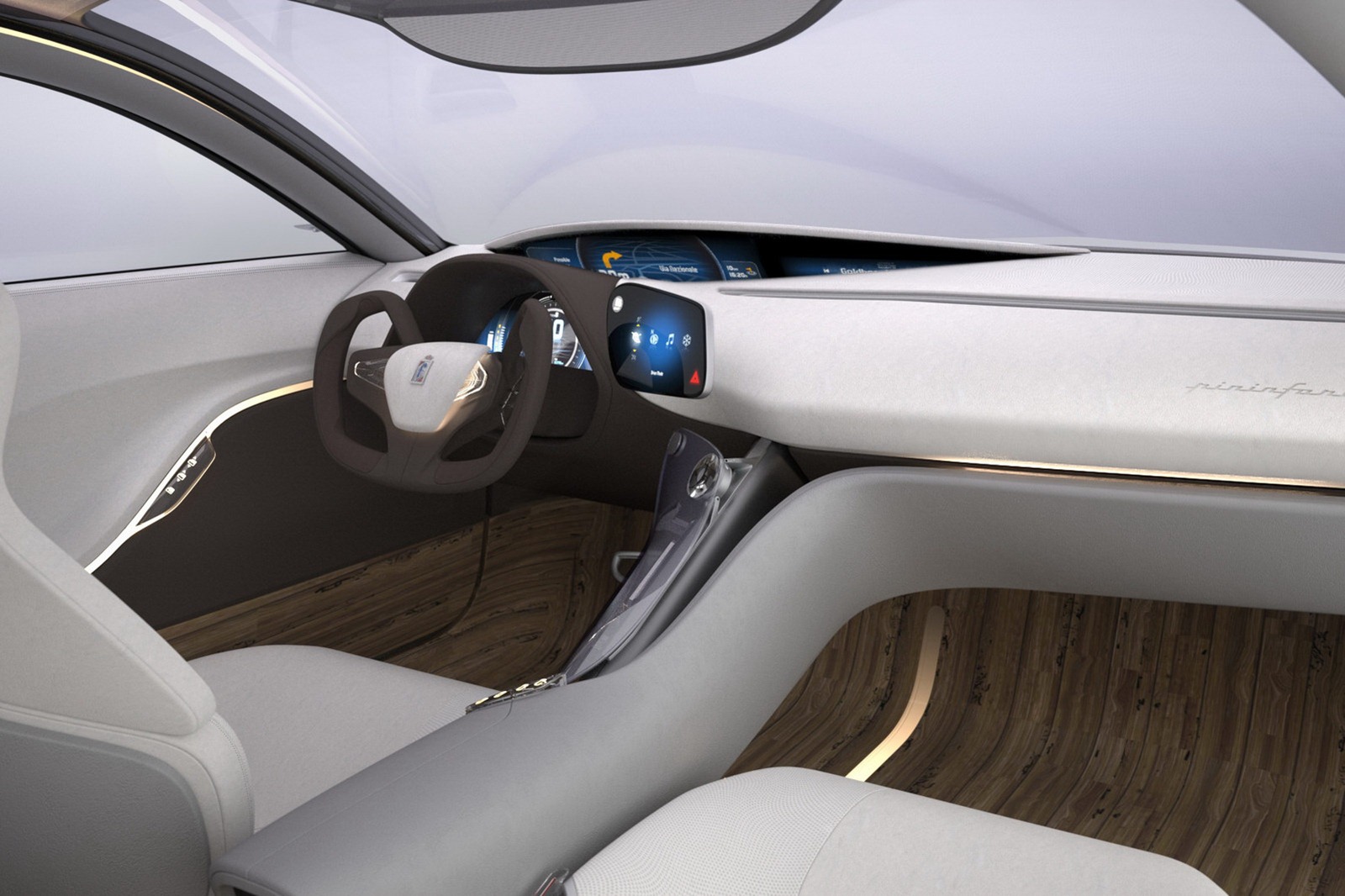
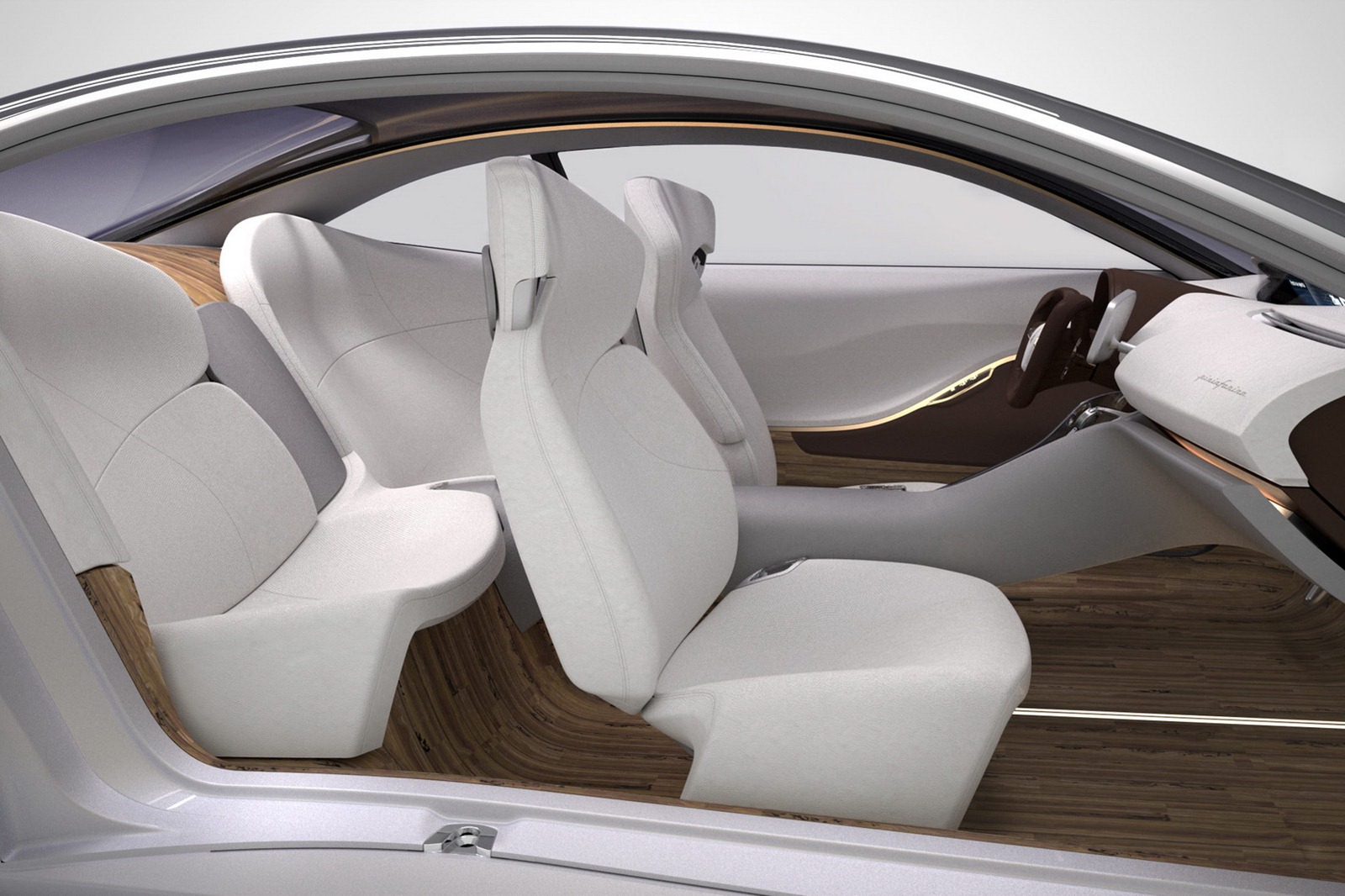
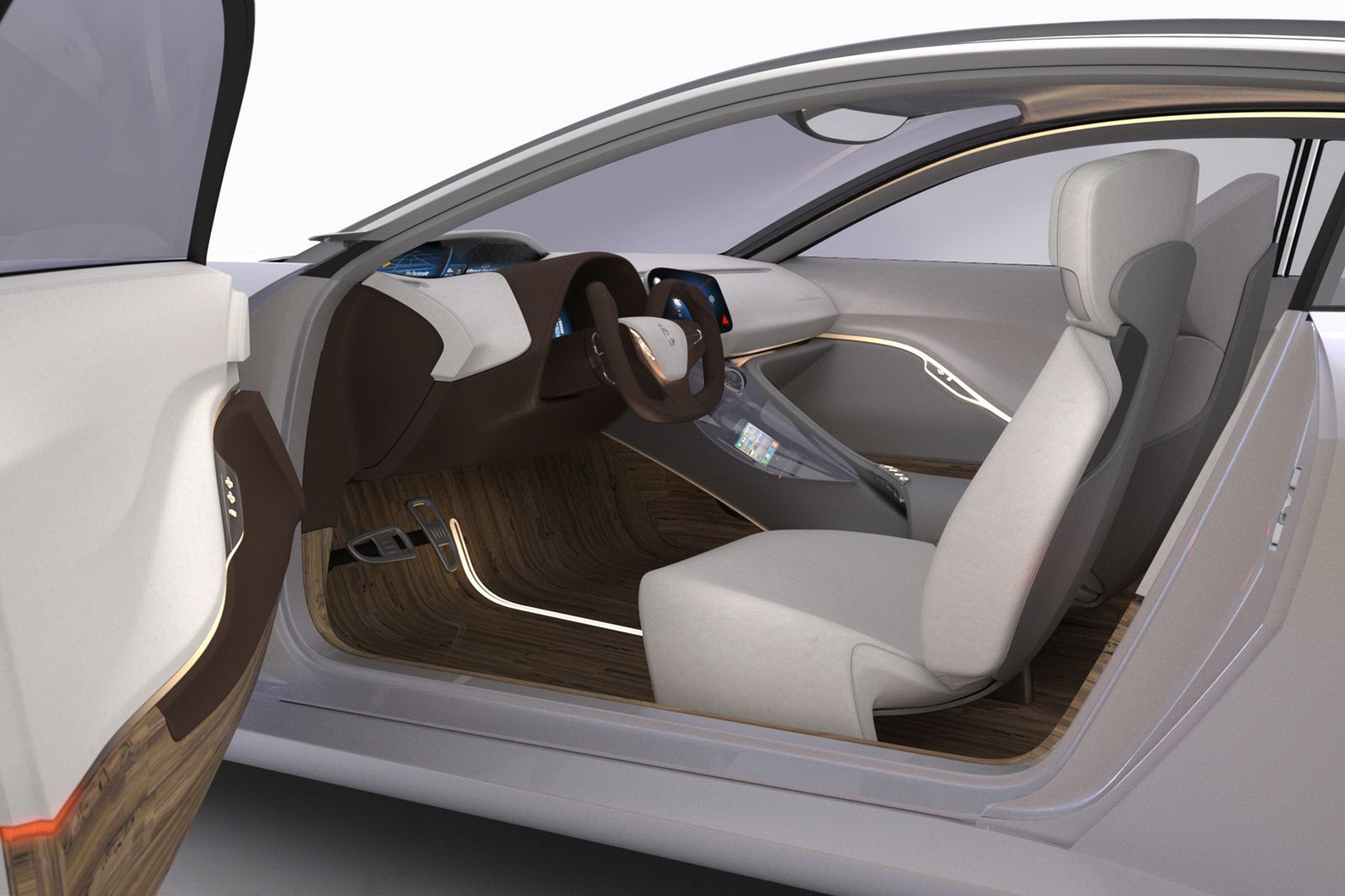
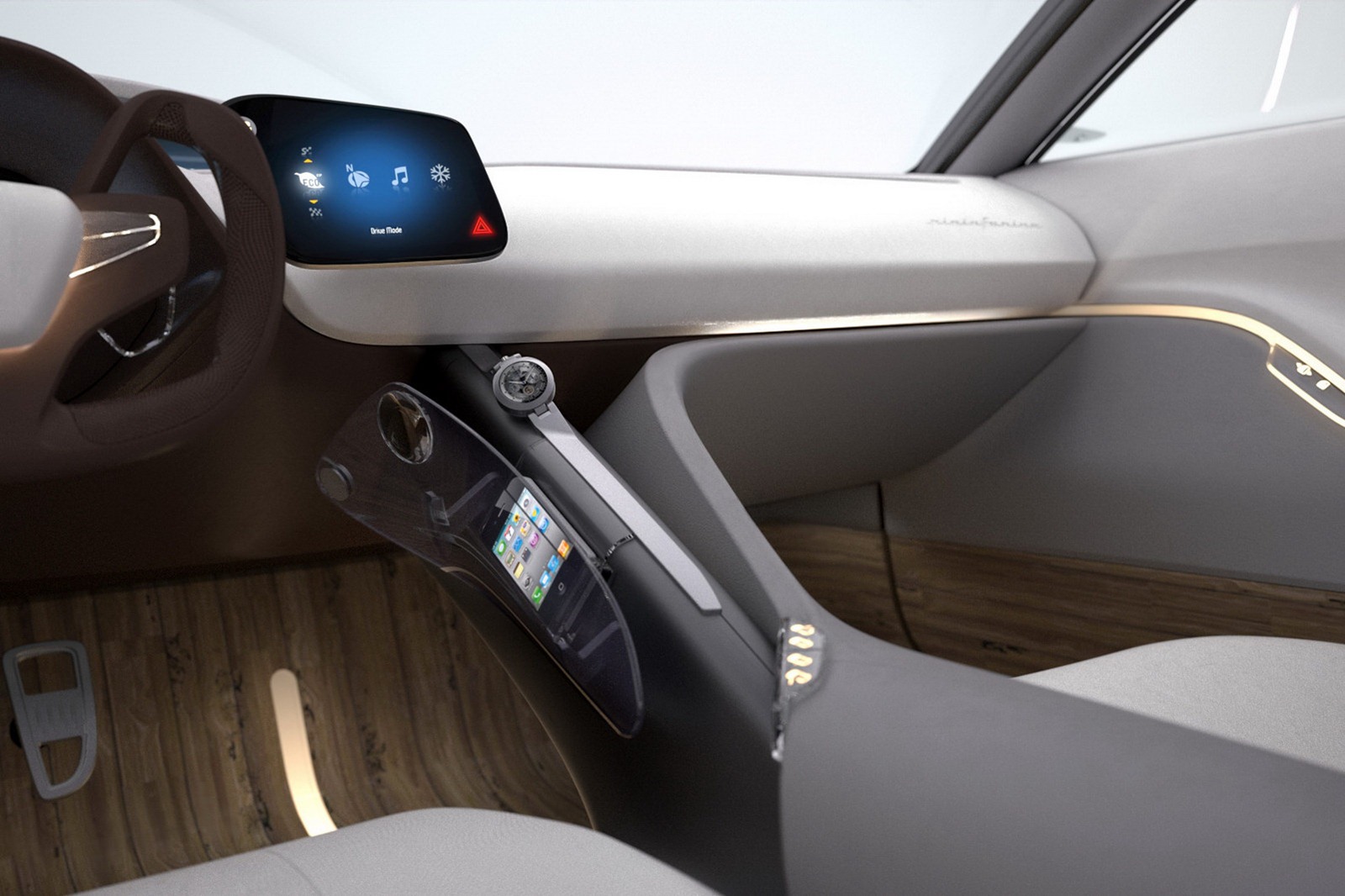
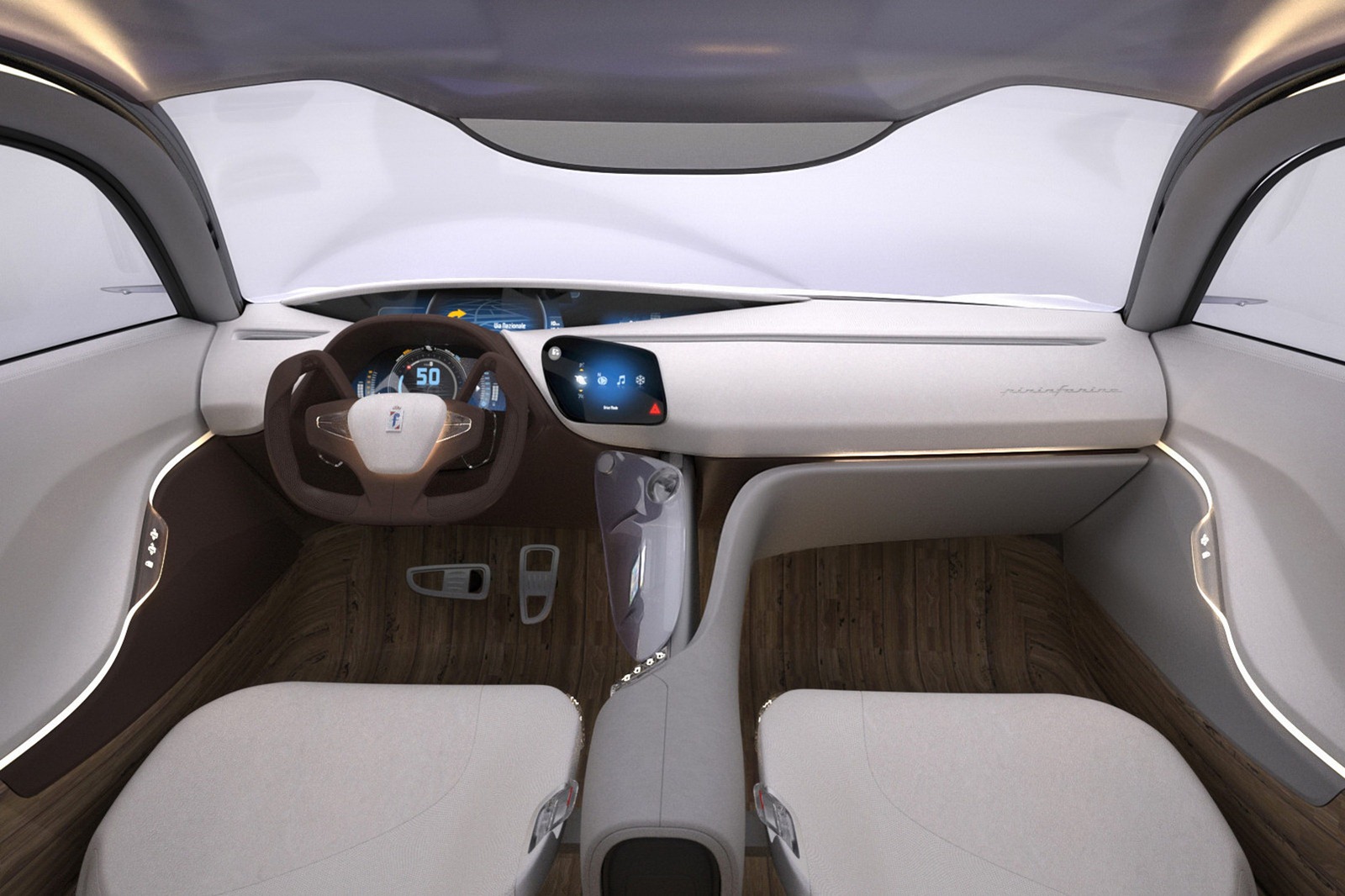
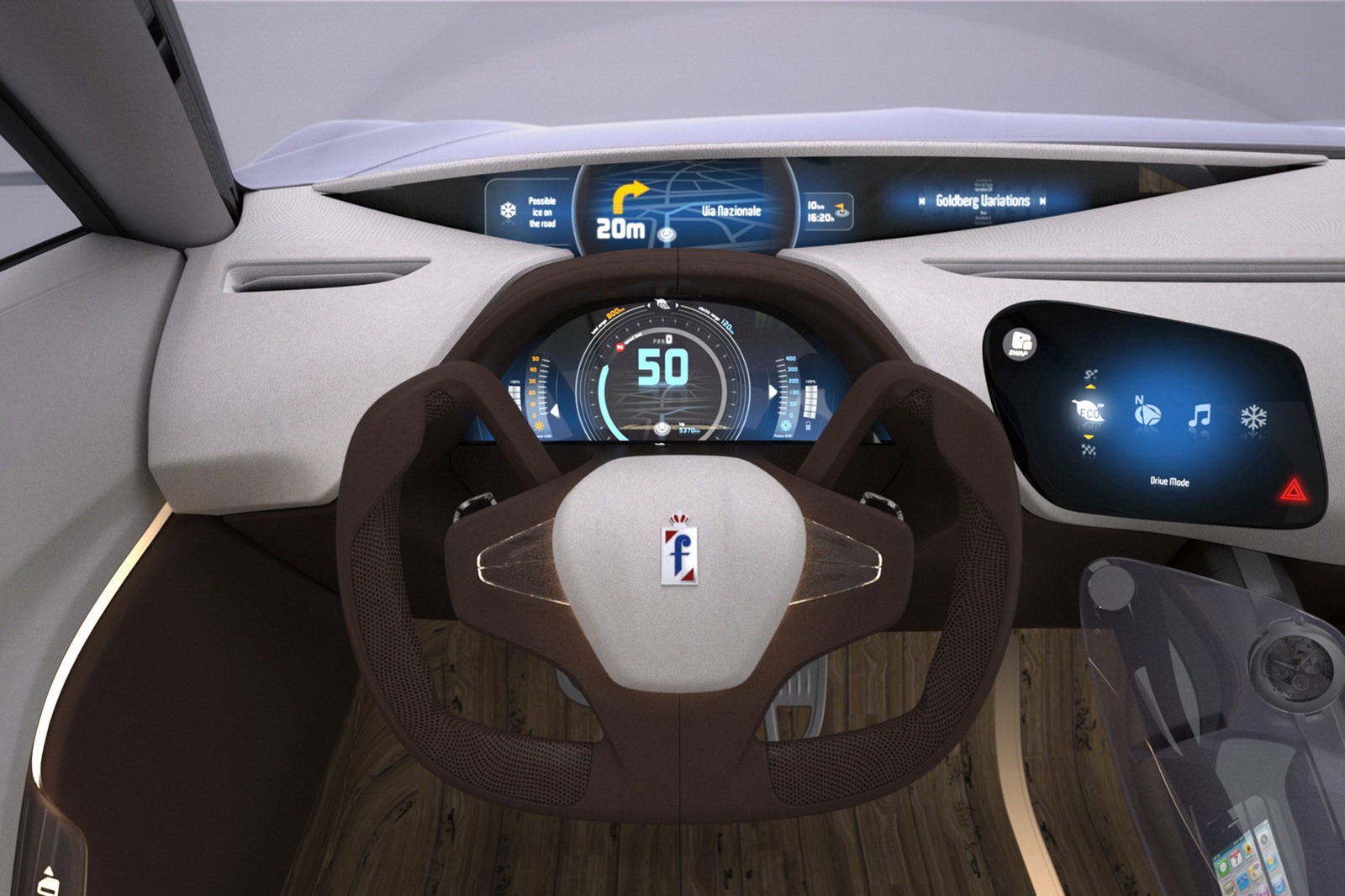
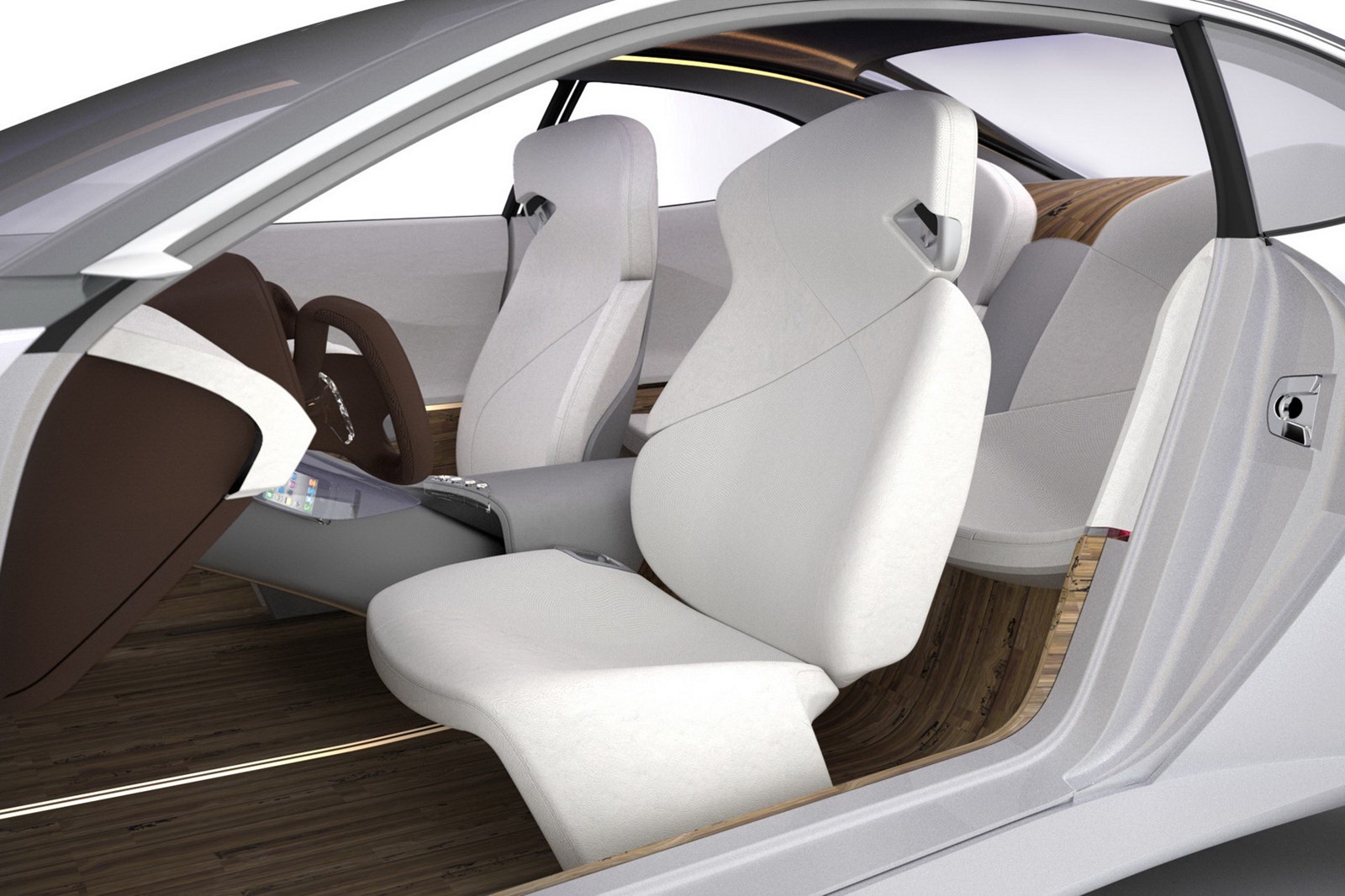
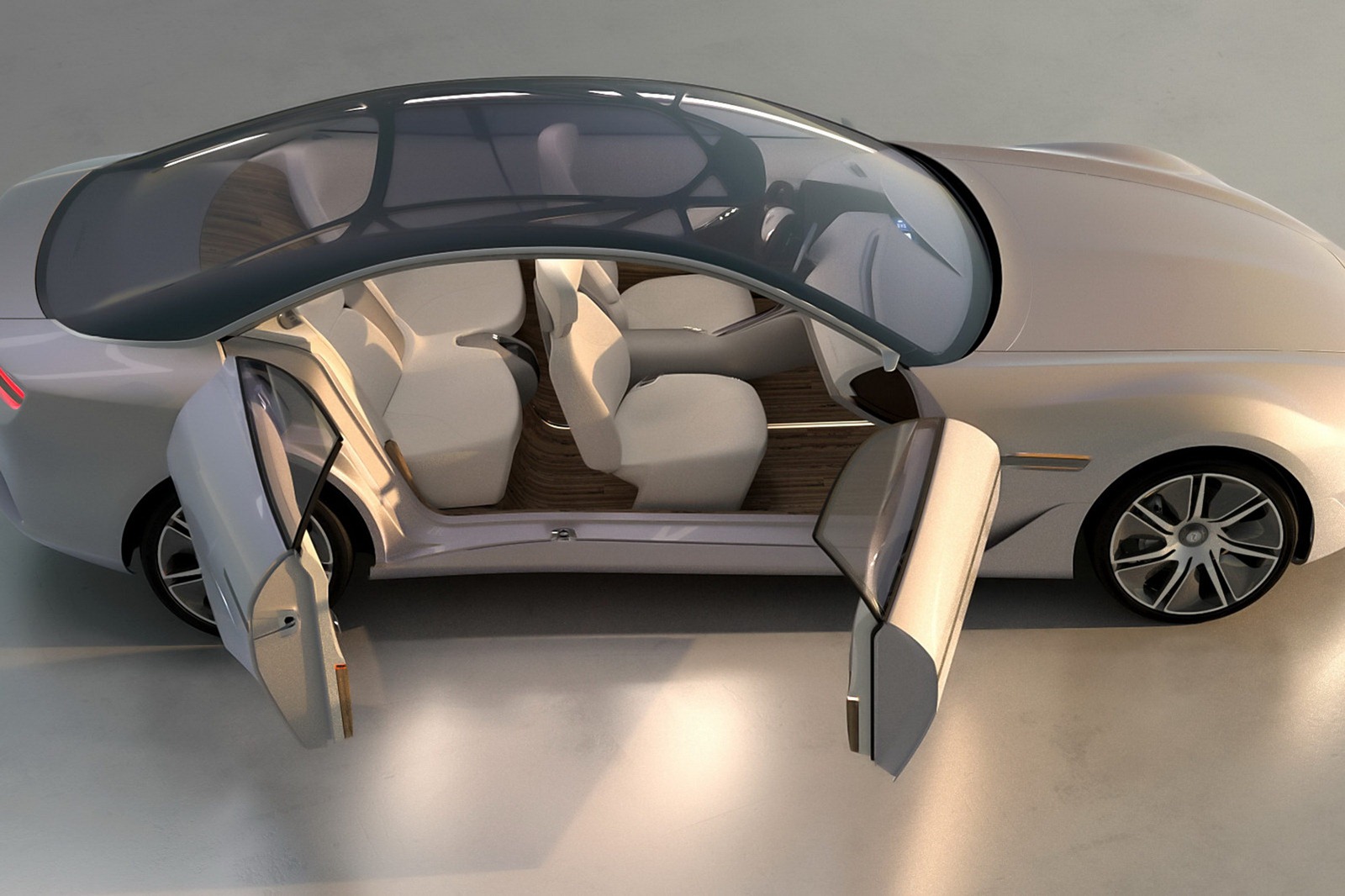
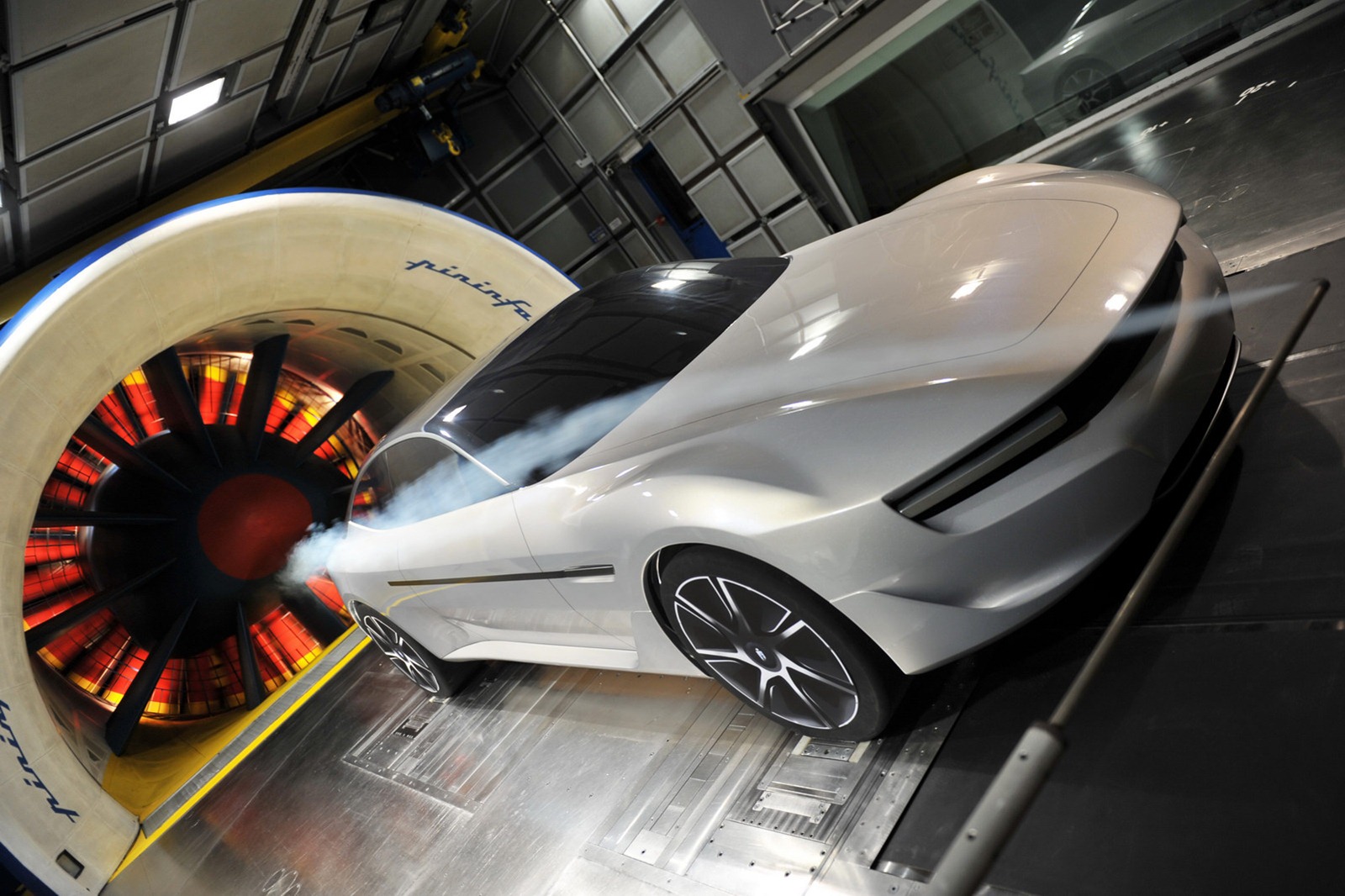
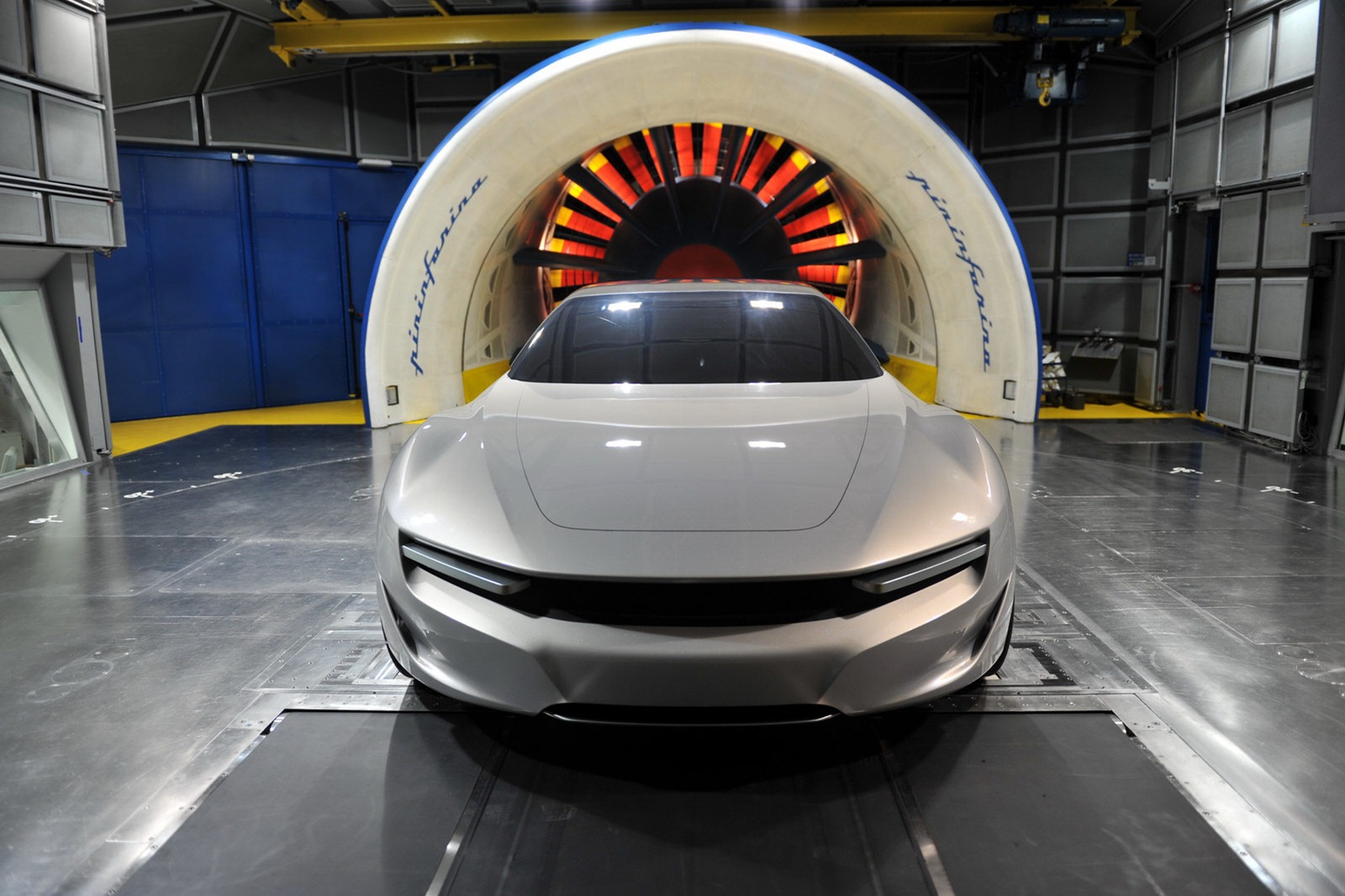
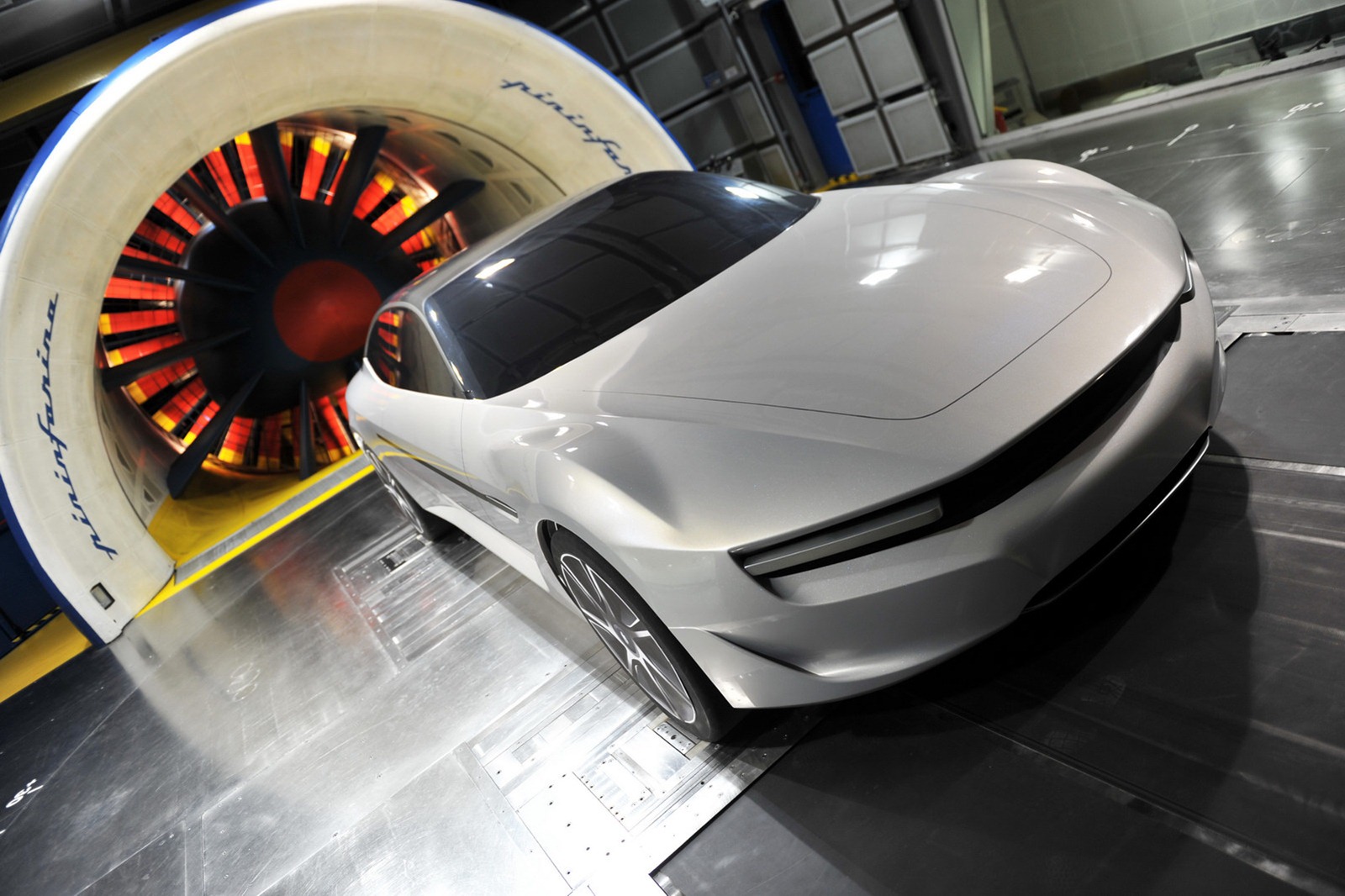
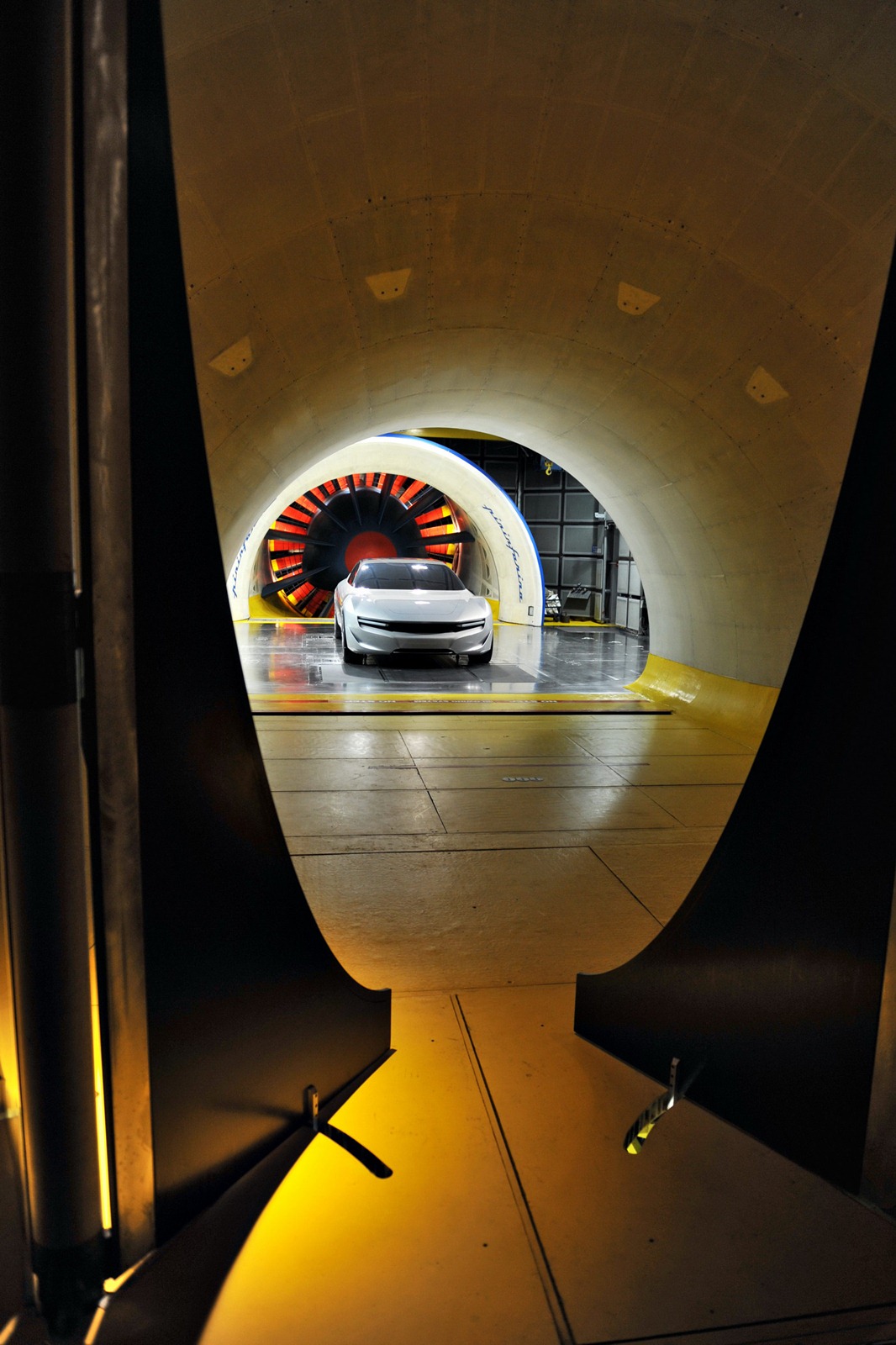
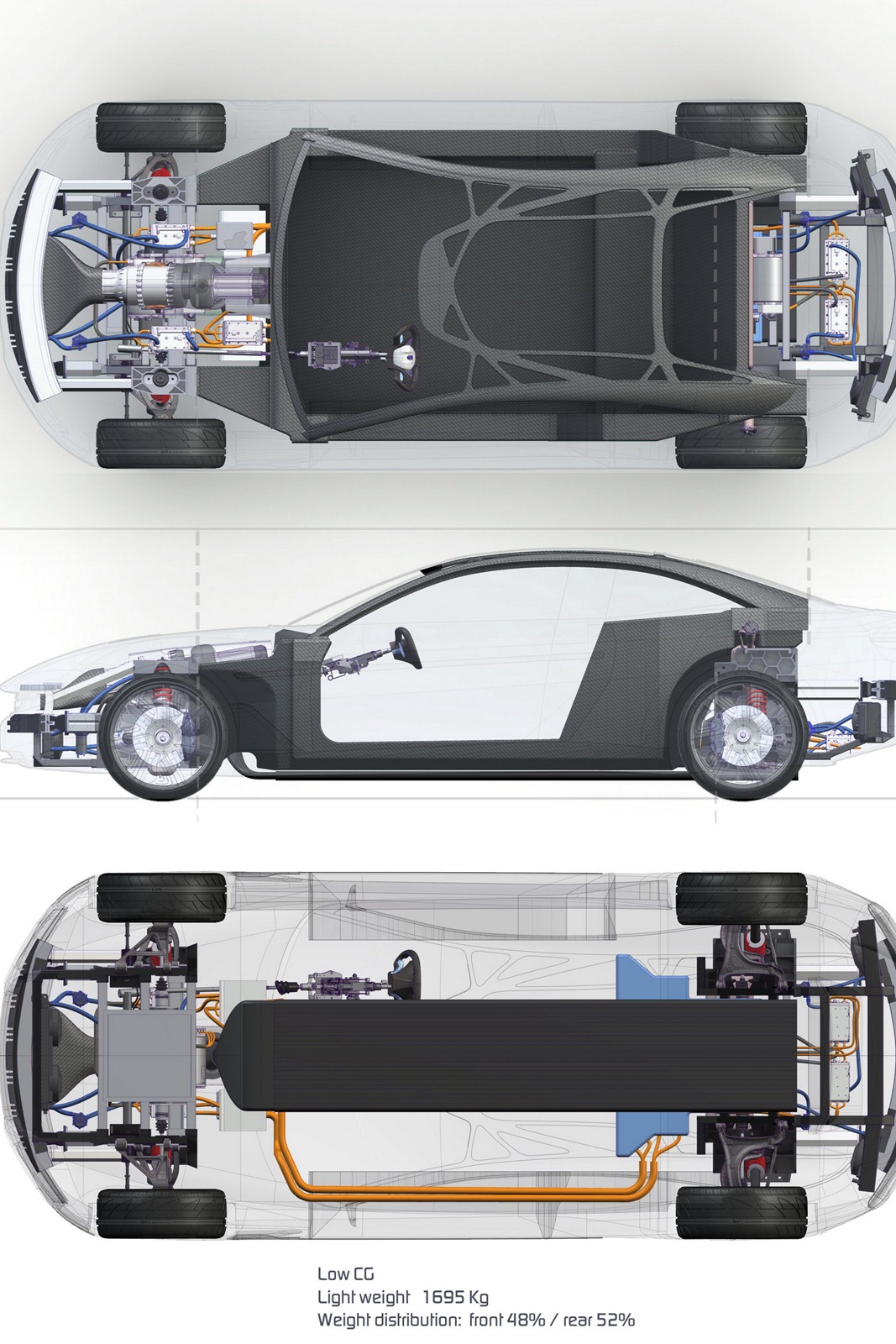
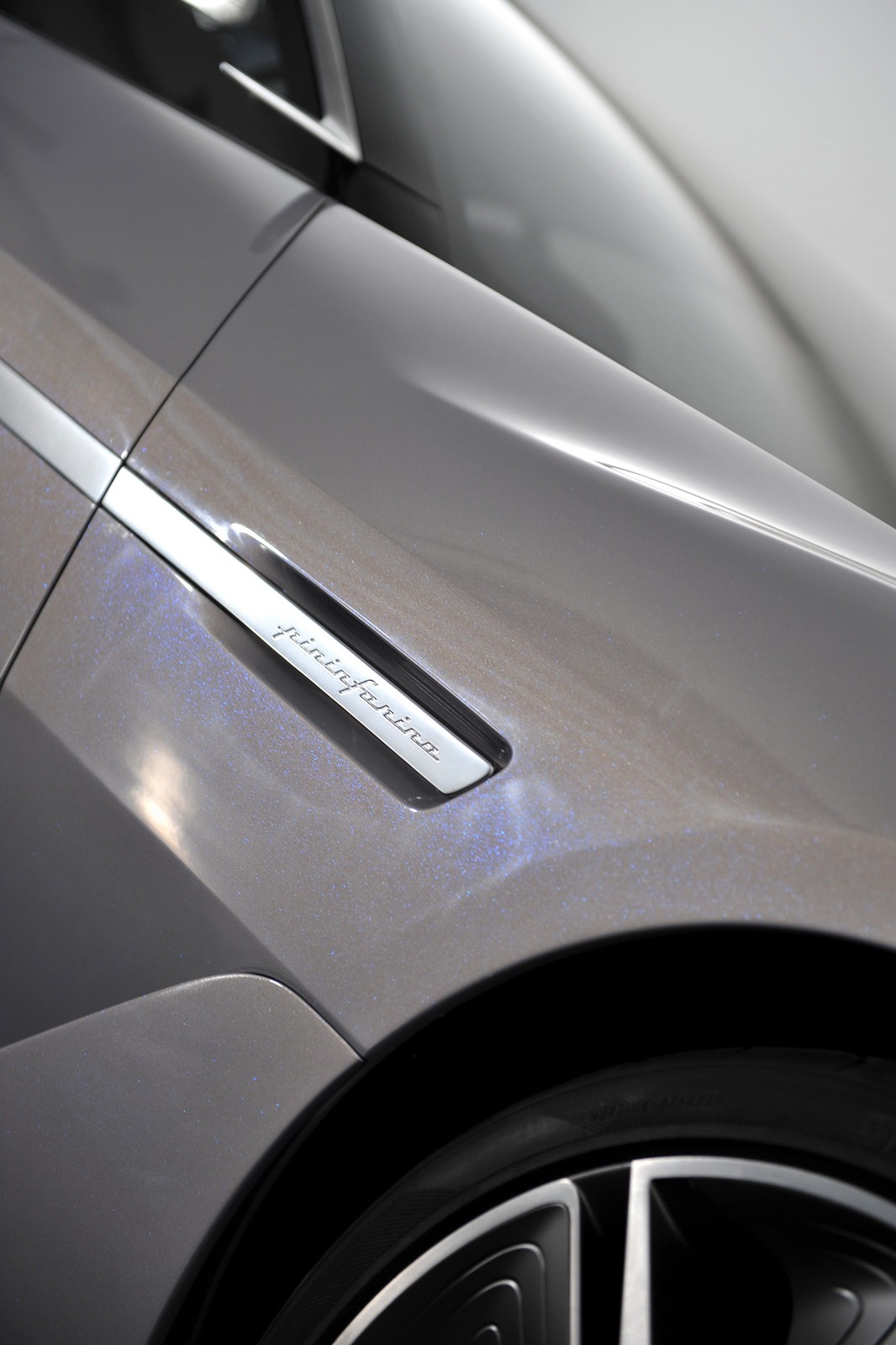
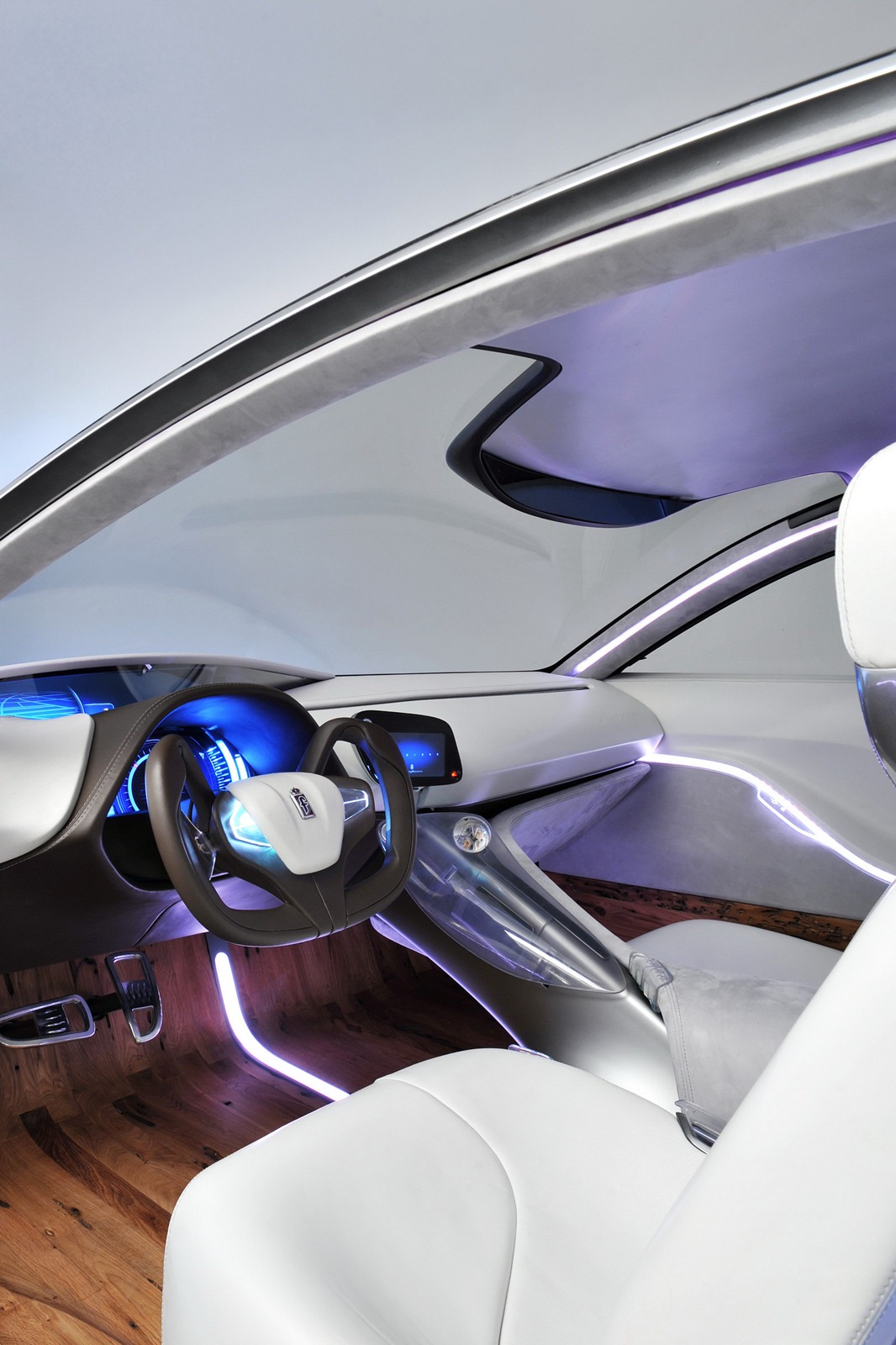
If you call the likes of the Mercedes-Benz CLS a "four-door coupe", then what would you name Pininfarina's 2012 Geneva Motor Show Cambiano Concept that is a sports coupe with a single door on the driver's side but a saloon with two doors and no central pillar on the passenger side? Pininfarina doesn't have a name for it yet but the Italian design company says the Cambiano represents a new approach to the GT segment. Named after the Italian town where the Pininfarina Group is headquartered, the Cambiano measures a generous 5,040mm long, 2,000mm wide and 1,360mm tall. It can seat four-passengers and has a boot capacity of 450-liters.  The Cambiano is a range-extended electric car featuring four-in wheel electric motors, each of which delivers a continuous supply of 60kW (80hp) with peaks of 150kW (201hp) for a maximum output of 600kW (805hp), with torque of 640Nm (472 lb-ft). Pininfarina says that each motor is controlled separately and electronically thus offering various functions, including energy regeneration when decelerating and braking, traction control with the option of continuously varying the torque split between the wheels independently (Vectoring Stability Program) and anti-lock braking assistance. The car's drive system incorporates an APU (Auxiliary Power Unit) in the form of a lightweight (40kg/88 lbs) 50kW Bladon Jets micro turbine that normally runs on diesel but can be calibrated to be compatible with various types of fuel, to charge the batteries and, when necessary, to supply energy directly to the motors. A battery pack developed by FAAM that is installed between the seats and the rear axle and which can be recharged in 6 hours using a 6 Kw/h grid and in 52 minutes with the APU, completes the setup. The Italian design house quotes a zero to 100km/h (62mph) sprint time of 4.2 seconds and an electronically limited top speed of 250km/h (155mph). The driving range with the battery alone is 200km (124mph) but it can be extended to over 800km (+497 miles) with the use of the turbine/generator.

PHOTO GALLERY


 The concept borrows elements from both the Ferrari 458 Italia as well as the previous Enzo, combining curves with hard creases and a teardrop glasshouse. If this design were to be produced, we would imagine that the car would obtain more air vents both on the sides and more importantly, on the rear end.